Episode 28: How Do We Do Worldschooling in Mexico?

In this episode of the Worldschooling Q&A podcast, we answer a question that's close to our hearts: how do we do worldschooling in Mexico?
Worldschooling Q&A Podcast - Episode 28
Hosts: Astrid & Clint, creators of The Wandering Daughter
Title: Episode 28: How Do I Worldschool in Mexico?
This post may contain affiliate links. That means I may receive a small commission if you click on the link and purchase something. But don't worry, this will not result in any extra costs to you.
Worldschooling podcast episode summary
In this episode of the Worldschooling Q&A, we dive into one of our most-visited countries and a place we keep coming back to: Mexico. We talk through what makes worldschooling in Mexico so rich for families, from ancient archaeological sites to incredible wildlife encounters, and share our top city picks for families ready to explore.
We spent six months there during our first year of full-time travel, and we've returned multiple times since, most recently in 2023. Mexico was, in many ways, where our experience of worldschooling in Mexico truly began.
We walk through the practical basics of arriving and getting around, and then dig into the real heart of the episode: the layers of culture, history, and nature that make worldschooling in Mexico such a meaningful experience for families. We also share our top city recommendations and touch on food and safety considerations that families often ask about.
Experience our favorite activities for worldschooling in Mexico
- Visit Chichen Itza in the Yucatan Peninsula
- Release baby sea turtles in Puerto Escondido
- Swim with whale sharks in Baja Sur California
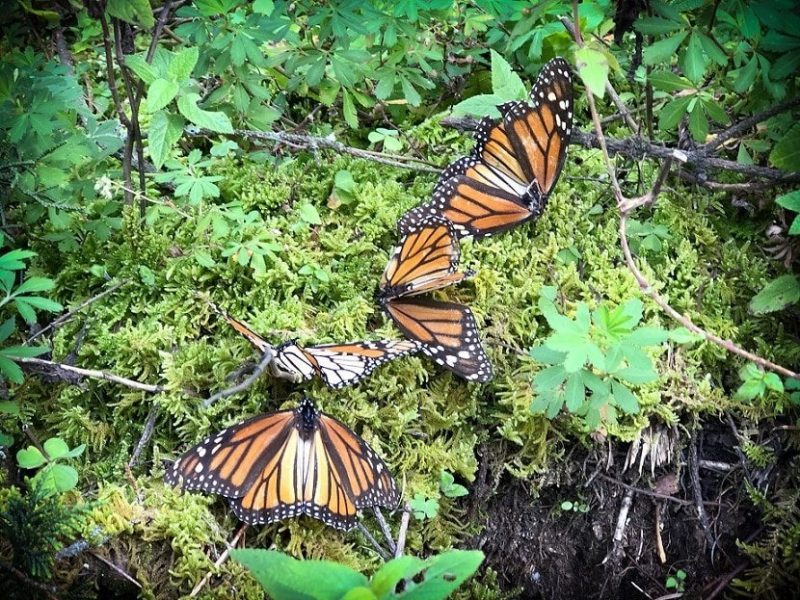
- See the monarch butterfly migration in Michoacan
- Cook Mexican food in Puerto Vallarta

Worldschooling consultations
Meet with Clint and Astrid for personalized help with your worldschooling plan.
Why Mexico is the perfect starting point for worldschooling families
Mexico was actually the country where we began our full-time worldschooling journey, and it's easy to see why so many families choose to start here. It's close to home for those of us in North America, easy to get around, and genuinely rewarding no matter how long you stay.

Getting there and getting around
For families based in the US or Canada, worldschooling in Mexico is one of the most accessible options out there. Mexico allows tourist stays of up to six months without needing to apply in advance.
Flights into Mexico City are plentiful, though we recommend spending a few days there rather than rushing on. Getting around is easy via domestic flights, buses, driving, or the new Yucatan Peninsula train. Cash is still king in most places, so a debit card for ATM withdrawals is a must.
A country we keep coming back to
When we first started traveling full time, we planned to spend four months in Mexico. We ended up staying six, then came back again, and returned most recently in 2023. Worldschooling in Mexico has that pull.
The country covers 32 states, each with its own regional identity, and every city, town, and coastline we've experienced has offered something different. It's the kind of place where the more you see, the more you realize there is left to learn.
Culture and history: the core of worldschooling in Mexico
Few countries offer the kind of layered, living history that Mexico does. From ancient indigenous civilizations to Spanish colonial influence, the past is present everywhere you look.
For worldschooling families, that's not a backdrop, it's the curriculum. The conversations we've had with our kids in front of archaeological sites, colonial churches, and Mayan markets have been some of the most meaningful of our travels.
Indigenous heritage from the Mayan to the Zapotec
One of the greatest gifts of worldschooling in Mexico is the access families have to living indigenous cultures. In the Yucatan Peninsula, the Mayan presence is felt everywhere, from the language spoken in small towns to the markets filled with handmade goods from surrounding villages.
In central Mexico near Mexico City, Aztec history takes center stage. In Oaxaca state, the Zapotec culture is the foundation. This regional diversity means that worldschooling in Mexico looks and feels different depending on where you are.
Ready for a change? Take the first step to living a life of full time travel.
Colonial history and its complexities
Mexico was a Spanish colony, and that history is visible in the architecture of cities like Puerto Vallarta, San Miguel de Allende, and Guanajuato. San Miguel de Allende is a UNESCO World Heritage Site, and throughout Mexico there are designated Pueblos Magicos, towns preserved for their architecture, art, and cultural heritage.
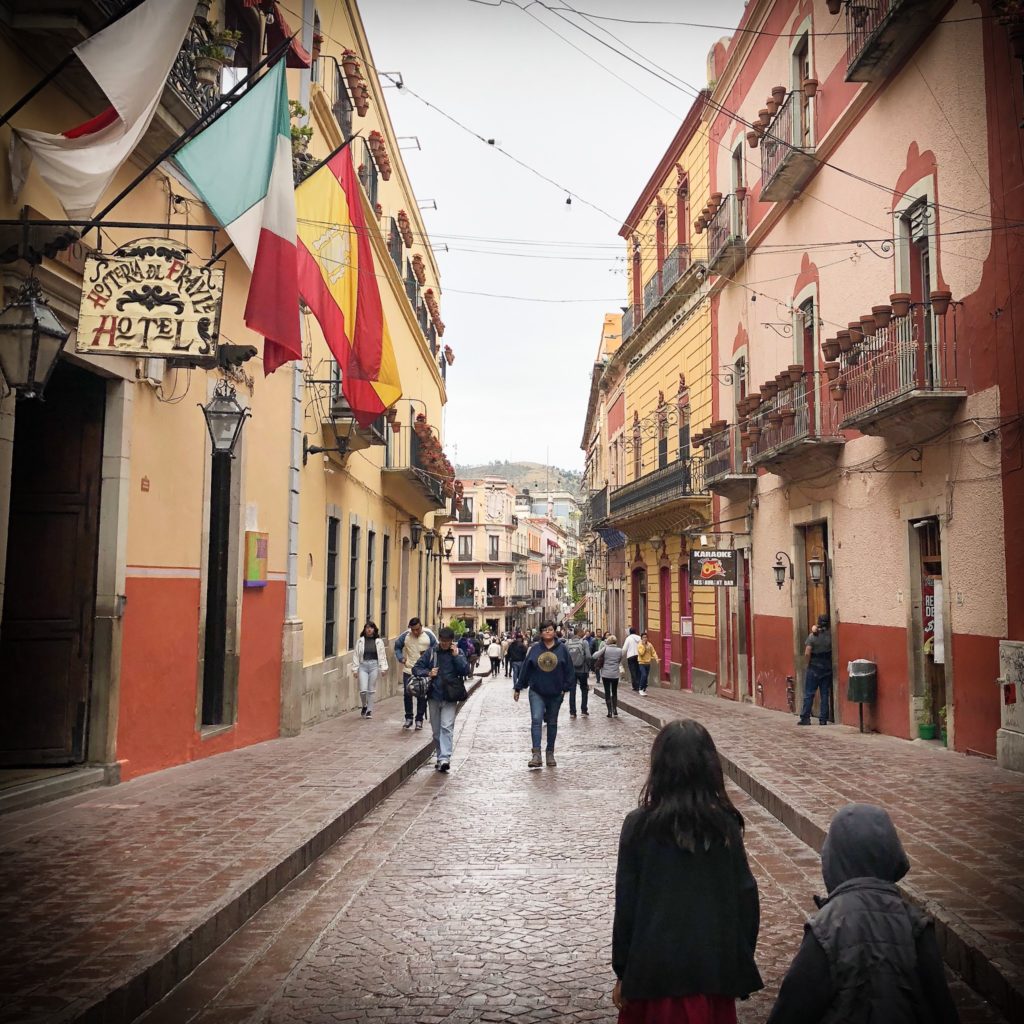
Worldschooling in Mexico also means having honest conversations with kids about colonial history, something we've found valuable in almost every destination we've visited there.
Archaeological sites worth visiting
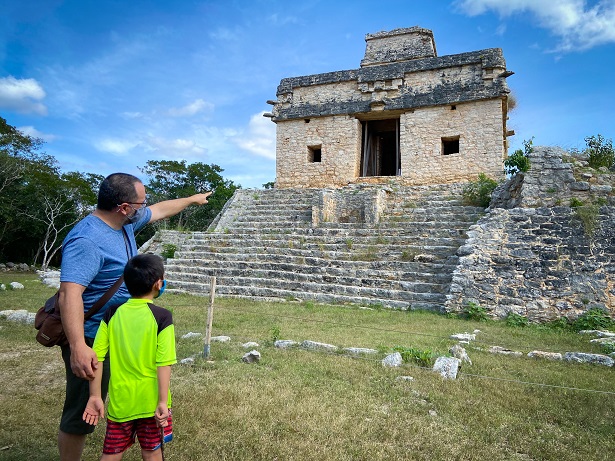
For families doing worldschooling in Mexico, the archaeological sites are not to be missed. Chichen Itza and Teotihuacan are the well-known ones, but we've also visited Monte Alban near Oaxaca and smaller sites throughout the Yucatan Peninsula and central Mexico.
Seeing these places in person, standing where ancient civilizations once lived, is one of those experiences that no book or video can fully replicate.
Nature experiences that bring worldschooling in Mexico to life
Mexico's natural diversity is something we weren't fully prepared for until we experienced it. From the Sea of Cortez to the forests of Michoacan, the country offers wildlife encounters that are genuinely hard to find anywhere else.
These aren't just activities, they're the kind of moments that help kids understand ecosystems, conservation, and their place in the natural world.
Wildlife encounters worth planning around
The natural world is one of the biggest draws for worldschooling in Mexico. We swam with whale sharks in La Paz, along one of their major migratory paths. We watched manta rays leap out of the water in numbers so large they looked like mosquitoes.

Find the perfect place to stay during your worldschooling adventure through Booking!
Central Mexico and the state of Michoacan mark the southernmost point of the monarch butterfly migration, a seasonal experience families can plan a trip around.
The sea turtle release that changed how our kids think about conservation
One of the standout experiences we had while worldschooling in Mexico was a baby sea turtle release with Puerto Escondido Eco-Adventures in Oaxaca state. Before the tour, the kids and I watched a video about sea turtles, their life cycle, and the dangers they face from the first moments of life. Then we carried newly hatched turtles to the shoreline and released them into the ocean.

Watching the kids make that connection, from video to real life, was exactly what worldschooling in Mexico is all about. We also got to speak with the organization's owner and learn how these tours help fund conservation work that typically happens at night, away from predators.
Top city picks for worldschooling in Mexico
We've spent time in a lot of Mexican cities at this point, and each one has offered something we didn't expect. Rather than giving you an exhaustive list, we're sharing the cities that have stuck with us: the ones where the food, the history, the people, and the pace came together in a way that made us want to stay longer.
Guanajuato City and San Miguel de Allende
If we had to name a favorite city anywhere in the world, Guanajuato City would be near the top of the list. It's built on steep hills, full of tunnels that taxis drive through, beautiful architecture, arts culture, and a lively energy. It draws mostly Mexican tourists, which we appreciate.
San Miguel de Allende is just 30 minutes away and, while it attracts more foreign visitors, its UNESCO World Heritage Site status makes it a worthwhile stop for worldschooling in Mexico.
Start speaking Spanish with my FREE 25 Essential Spanish Words and Phrases!

Merida, Puerto Vallarta, and Oaxaca City
Merida sits at the heart of the Yucatan Peninsula and is considered one of the safest cities in Mexico. It blends Mayan heritage with colonial architecture and outstanding food.
Puerto Vallarta offers ocean, jungle, colonial history, and an unexpected connection to the Philippines we learned about there. For families new to worldschooling in Mexico, it makes a strong first destination.
Oaxaca City is our pick for food lovers: the markets are among the best in the country, and the Zapotec culture adds genuine depth to any visit.
A note on food and safety
Mexican food is far more diverse than most people expect, and food markets are a worldschooling experience in themselves. Vegans may find restaurant options more limited, though cooking at home with local ingredients is easy and affordable.
On safety: Mexico is a large country, and conditions vary significantly by region. We've always found ways to travel safely and have returned again and again. If families in Mexico are raising their kids there, that tells us something about what's possible.
Get weekly worldschooling tips sent to your inbox with my Worldschooling Wednesday email series.
Submit your worldschooling questions here!
Key topics covered in this episode
Getting there and logistics for worldschooling in Mexico
- Mexico allows tourist stays of up to six months, no advance visa application needed
- Cash-based economy; debit card for ATM access is recommended
- Getting around: domestic flights, buses, driving, and the new Yucatan train
- Spanish is essential outside tourist zones; a phrase guide is linked in the show notes
Culture and history
- Mayan, Aztec, Zapotec, and other indigenous cultures vary by region
- Spanish colonial architecture is well-preserved in Pueblos Magicos and UNESCO sites
- Archaeological sites for worldschooling in Mexico include Chichen Itza, Teotihuacan, Monte Alban, and more
- Indigenous and colonial histories overlap in complex, discussion-worthy ways
Learn more about the amazing family travel resources we use for worldschooling!
Nature and wildlife
- Whale sharks in La Paz; manta rays along the west and southern coasts
- Monarch butterfly migration through Michoacan (seasonal)
- Sea turtle release in Puerto Escondido, Oaxaca state
- Snorkeling in Cozumel and around Puerto Vallarta
- Horseback riding in the mountains around Guanajuato
Connecting with locals
- Going beyond the tourist experience to talk with people behind the activities
- Learning from market vendors, small-town communities, and conservation workers
- Mayan markets in and around Merida as a window into living indigenous culture
Top city recommendations for worldschooling in Mexico
- Guanajuato City: artsy, architecturally stunning, largely Mexican tourist crowd
- San Miguel de Allende: UNESCO World Heritage Site, 30 minutes from Guanajuato
- Merida: Mayan heritage, colonial architecture, considered one of the safest cities in Mexico
- Puerto Vallarta: ocean, jungle, colonial history, great first destination for worldschooling in Mexico
- Oaxaca City: outstanding food markets, Zapotec culture, rich indigenous heritage
Food notes
- Mexican cuisine goes far beyond tacos; regional variety is enormous
- Food markets are a core worldschooling in Mexico experience
- Vegan restaurant options are growing but still limited in many areas
- Cooking at home with local ingredients is easy and affordable
Get prepared for any emergency with the insurance made for digital nomads!
Safety considerations
- Mexico is large, about one-third the size of the United States; conditions vary by region
- US media coverage does not reflect the full picture of daily life in Mexico
- Many families, both Mexican and international, live and travel safely throughout the country
- Researching specific regions before worldschooling in Mexico is always recommended
Chapters
00:00:00 - Introduction
00:00:20 - Welcome to Worldschooling Q&A
00:01:01 - Today's Question: How Do I Worldschool in Mexico?
00:01:15 - Mexico Overview: Size, Diversity & Getting There
00:03:32 - Why worldschooling in Mexico keeps bringing us back
00:04:55 - Culture & History: Mayan, Aztec, Zapotec & Colonial Heritage
00:07:25 - Archaeological Sites: Chichen Itza, Teotihuacan & More
00:08:57 - Nature: Whale Sharks, Monarch Butterflies & Sea Turtles
00:11:49 - Connecting With Locals & Learning Beyond the Tour
00:13:33 - Top City Recommendations for Worldschooling Families
00:18:18 - Food Notes for Vegans & Safety Realities in Mexico
00:20:11 - Outro & How to Support the Show
Further worldschooling resources
Support the podcast
- Join The Wandering Daughter on Patreon for episode transcripts, extra resources, and live office hours with Astrid and Clint.
- Follow and subscribe on Spotify, Apple Podcasts, and YouTube.
- Leave a five-star review to help others discover the podcast.
- Submit your worldschooling questions to our podcast page.

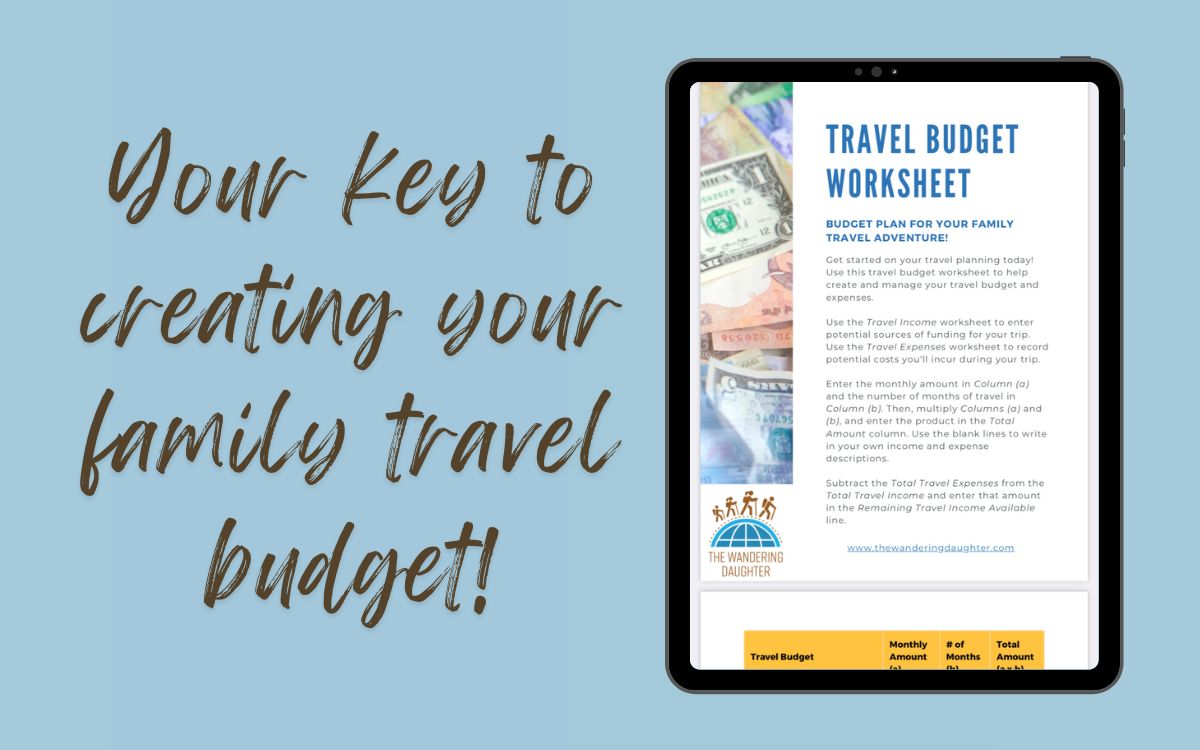
Need help thinking through how to budget for a family trip? My Travel Budget Worksheet is just the tool you need! Click here to receive your free copy by signing up for my newsletter.
Want to connect with me on social media? Find me on Facebook, Instagram, Pinterest, and Twitter. And for those of you who are dedicated to traveling more responsibly, sustainably, and ethically, join over 500 like-minded families on my Facebook group, Responsible Family Travel.