Episode 35: How Do We Do Worldschooling In The Philippines?
In this episode of the Worldschooling Q&A Podcast, Astrid and Clint discuss how families can do worldschooling in the Philippines.
Worldschooling Q&A Podcast - Episode 35
Hosts: Astrid & Clint, creators of The Wandering Daughter
Title: Episode 35: How Do We Do Worldschooling In The Philippines?
This post may contain affiliate links. That means I may receive a small commission if you click on the link and purchase something. But don't worry, this will not result in any extra costs to you.
Worldschooling podcast episode summary
In this episode, Astrid and Clint answer the question: how do I worldschool in the Philippines?
Clint brings a personal connection to this one, having grown up in a Filipino family and visited the country both as a family trip and as worldschoolers. Together we walk through the practical side of traveling there, from navigating island hopping via ferry and riding jeepneys, to understanding the internet situation and visa basics, while being honest about what worked and what was trickier than expected.
Our conversation also covers worldschooling highlights across Luzon and Palawan, including the subterranean river UNESCO site, the Japanese Botanical Gardens, and the military history museum in Puerto Princesa that offered a Pacific-centered perspective on World War II.

Worldschooling consultations
Meet with Clint and Astrid for personalized help with your worldschooling plan.
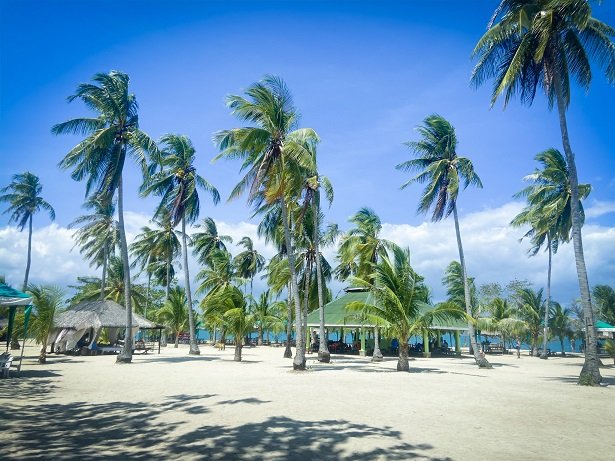
We close our episode with a candid take on food diversity and dietary considerations, and a clear recommendation for families: one of the best things about worldschooling in the Philippines is the nature.
Our top 5 activities to do in the Philippines
If you're planning to do some worldschooling in the Philippines, don't miss out on these fun activities.
- Take a tour of Intramuros, the historic part of Manila
- Enjoy Filipino cuisine with a street food tour in Manila
- Experience the city of Puerto Princesa on the island of Palawan
- Ride through the Underground River in Palawan
- Visit the Taal Volcano near Tagaytay, the world's smallest active volcano
Getting oriented for worldschooling in the Philippines
The Philippines is one of the most popular destinations among worldschooling families, and it is not hard to see why.
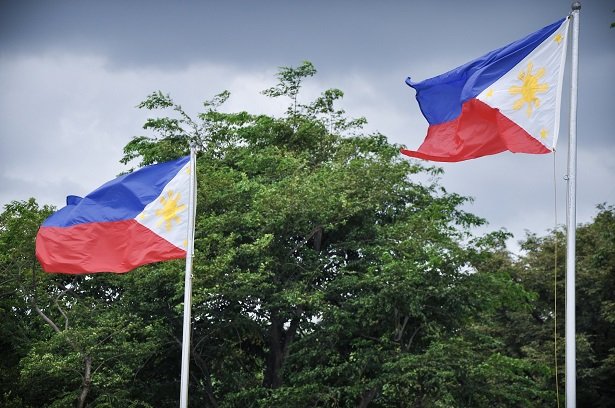
With over 7,000 islands, an incredibly welcoming culture, and a lower cost of living for Western travelers, it offers a lot for families who want to learn through experience. But like any destination, it helps to understand the geography and logistics before you go.
Understanding the islands and how to get around
The Philippines is an archipelago, with Luzon as the largest and most populous island. That is where you will find Manila, the capital city, and the main international airport. Below Luzon, you have Cebu, Boracay, and Palawan, which are the islands most associated with the stunning ocean photos you have probably seen.
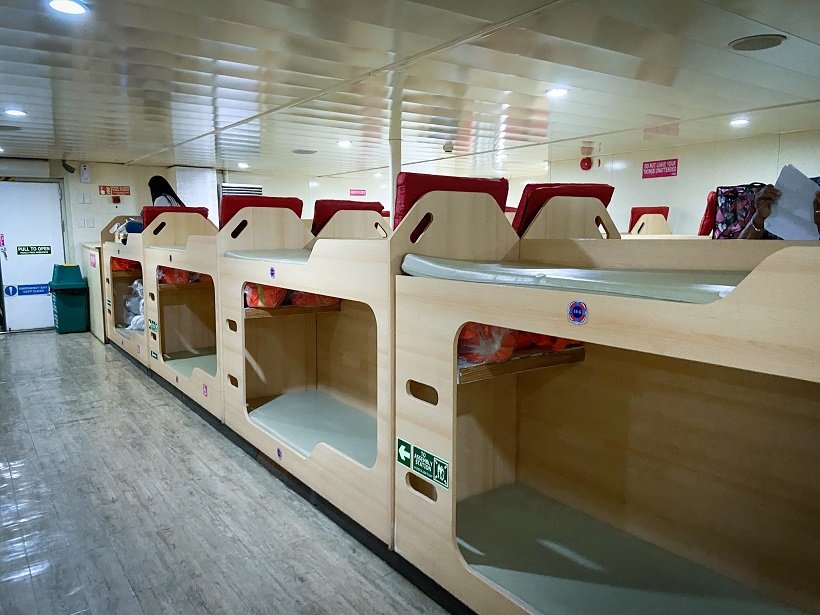
Getting between islands is mostly done by ferry. When we were worldschooling in the Philippines, we took a ferry that had bunk-style sleeping cabins and meals included. It was a comfortable way to travel, and honestly a highlight in itself.
Within the islands, jeepneys are the main form of public transportation. These are decommissioned military jeeps from World War II that now serve as shared rides along set routes. The fee is low, often free for young kids, and the etiquette is simple once you learn it: sit near the door, pass your money up, and they will pass change back.
Ready for a change? Take the first step to living a life of full time travel.
Visas, currency, and driving
For US citizens, entry to the Philippines is straightforward with no advance visa required and a tourist stay of up to six months. The currency is the Filipino peso, with a conversion rate roughly similar to the Mexican peso.
Most families who visit hire a driver rather than renting a car, which is what we did both times we were worldschooling in the Philippines. Traffic in Manila is notoriously heavy, and it is just much easier to let someone local navigate that.
Practical realities of worldschooling in the Philippines
Before you pack your bags for worldschooling in the Philippines, there are a few practical things worth knowing so you can plan accordingly. The experience is genuinely rewarding, but it comes with some real logistical considerations.

Internet and remote work
The internet in the Philippines, outside of Manila proper, is not reliable. Be prepared for this if you're planning on working while worldschooling in the Philippines. We spent over a month in Palawan and dealt with slow, spotty connections even in the center of Puerto Princesa.
Local SIM cards require two separate transactions to set up and reload, and you have to do it in person as a foreigner. If you need consistent connectivity for work or video calls, build in some flexibility and extra patience. It may have improved since we were there in 2019, but it is worth researching current conditions before you go.
Get prepared for any emergency with the insurance made for digital nomads!
Getting around day to day
As we mentioned, hiring a driver is the most common approach for families worldschooling in the Philippines. We did this when we were road-tripping on the island of Luzon, and it is well worth the cost.
Manila traffic can eat hours out of your day, so having someone local at the wheel lets you focus on the experience. Inside cities, tricycle pedicabs are another easy option for short distances. English is widely spoken throughout the Philippines, partly due to decades of American influence, which makes navigating day to day much less stressful for English-speaking families.
Highlights of worldschooling in the Philippines
There is so much to learn from while worldschooling in the Philippines, especially for families who lean into history, science, and nature. Here are some of the experiences that stood out most for us.
Road tripping through Luzon
Road-tripping around Luzon offers a real mix of city, history, and mountains. We love this option if you're planning on worldschooling in the Philippines, but you don't have much time.
Baguio City is a favorite for many visitors because it sits in the mountains and offers the rare Filipino experience of cool, comfortable weather. Intramuros, the old walled city in Manila, still has Spanish colonial architecture and gives kids a tangible feel for that chapter of history. Manila Bay has been significantly cleaned up and is now a lovely park area along the water.
We also visited Subic Bay, a former US naval base that is now a free trade zone with resorts along the water. This is where Clint's parents originally met!
Get weekly worldschooling tips sent to your inbox with my Worldschooling Wednesday email series.
Palawan, the subterranean river, and Pacific history
Palawan was one of our favorite stops for worldschooling in the Philippines. Puerto Princesa, the main city on the island, has a small military history museum that was genuinely eye-opening.
As Americans, most of what we learn about World War II centers on Europe and the Nazi regime. This museum refocused the lens entirely on the Pacific, specifically Japan's occupation of the Philippines and the deep destruction it left behind, including the Bataan Death March. It was a reminder of how much history looks different depending on where you are standing.
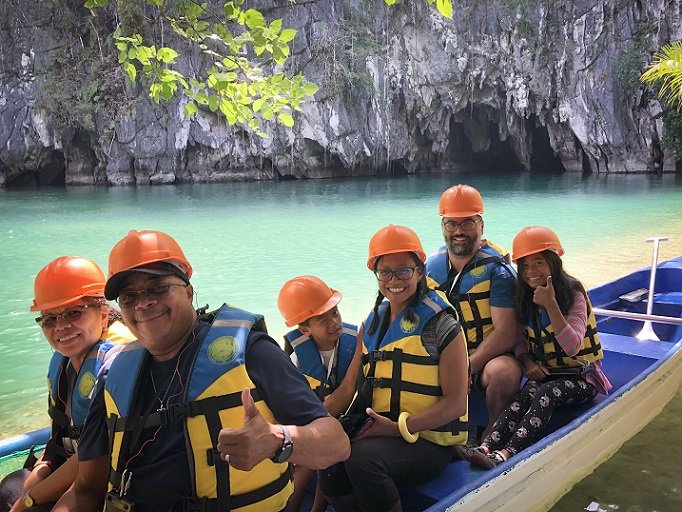
Also in Palawan is the Puerto Princesa Subterranean River, a UNESCO World Heritage site. This is a can't miss experience for worldschooling in the Philippines. Floating through a cave river and learning about stalactites, stalagmites, and how underground rivers form made for a memorable science lesson that the kids still talk about.

Find the perfect place to stay during your worldschooling adventure through Booking!
The Japanese Botanical Gardens and reparations
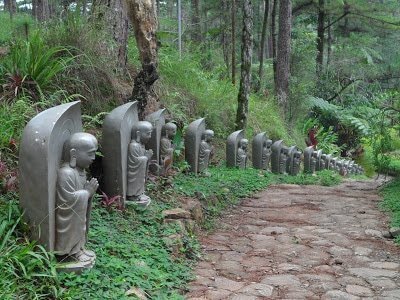
One of the more thoughtful worldschooling moments we had in Luzon was visiting the Botanical Gardens near Baguio, which were funded by Japan as part of war reparations to the Philippines.
Paired with what we learned at the history museum in Palawan, it opened up a meaningful conversation about accountability, history, and how countries try to repair harm.
That kind of layered learning is exactly what worldschooling in the Philippines can offer when you are paying attention!
Food culture and what to know before you go
Food is a central part of any worldschooling experience, and for families planning on worldschooling in the Philippines, experiencing the food is a must! While we absolutely love Filipino food, our food experience there did surprise us in ways we were not expecting. So we want to give you an honest picture.
Dietary diversity and what is on the menu
Filipino food culture is built around pork. Big celebratory roasts are a tradition, and many restaurant menus in the areas we visited leaned heavily on pork, fried chicken, and rice.
For Astrid, who does not eat pork, this made navigating meals during our worldschooling in the Philippines experience a bit trickier than in other Southeast Asian countries we had visited. Families with dietary restrictions, whether vegetarian, halal, or otherwise, should know going in that it may require some extra planning.
Cooking at home and a note on context
One thing worth understanding is that vegetables and fruit are widely grown at home in the Philippines, and markets sell them in their raw state. The diversity of fresh produce is there, but it tends to stay in home kitchens rather than restaurant menus. What this means for families worldschooling in the Philippines is that you might have a hard time finding dishes with a lot of vegetables if you're relying on restaurant meals.
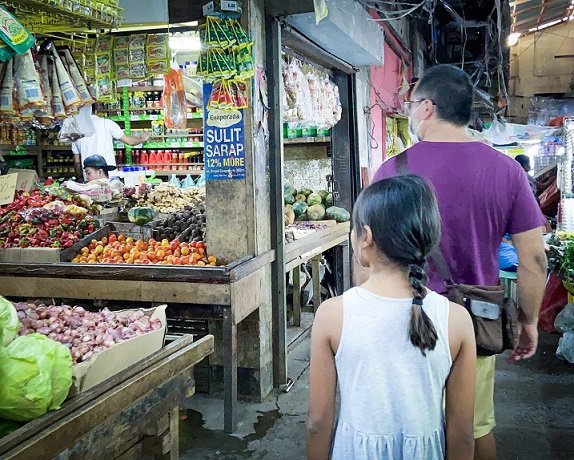
Interestingly, we both felt that the selection of Filipino food in cities like Seattle, New York, and London actually offered more variety than what we found in the restaurants in the Philippines. That is not a critique of the cuisine itself, which we love. It is just useful context for worldschooling families planning meals on the road.
Submit your worldschooling questions here!
Key topics covered in this episode
Getting oriented for worldschooling in the Philippines
- Overview of the 7,000-island archipelago and main regions
- Luzon as the largest island and entry point for most visitors
- Geography of Palawan, Cebu, and Boracay
- Spanish colonial history and the Tagalog language
- Filipino diaspora connections to Southern California and the US
Learn more about the amazing family travel resources we use for worldschooling!
Getting around and logistics
- Ferry travel between islands, including bunk-bed style overnight options
- Jeepneys: what they are, how to ride them, and tips for first-timers
- Tricycles and pedicabs for short distances
- Hiring a driver for road trips on Luzon
- Manila traffic and what to expect
Visas, currency, and internet
- No advance visa required for US citizens, up to six months tourist stay
- Filipino peso and conversion basics
- Internet connectivity challenges outside of Manila
- SIM card setup process and why it is more cumbersome than other countries
- Tips for remote workers traveling through the Philippines
Worldschooling highlights across Luzon and Palawan
- Road tripping Luzon: Baguio City, Intramuros, Subic Bay, and Manila Bay
- Puerto Princesa's military history museum and a Pacific-centered view of WWII
- The Puerto Princesa Subterranean River UNESCO World Heritage site
- Japanese Botanical Gardens as a lesson in reparations and accountability
- How Filipino hospitality shapes the travel experience
Nature as a draw for worldschooling in the Philippines
- Beaches, snorkeling, and clear blue-green waters on Palawan, Cebu, and Boracay
- Jungle wildlife and biodiversity
- Mountain scenery in northern Luzon and the rice terraces further north
- Science learning opportunities at the subterranean river
Food culture and dietary considerations
- Pork-forward food culture and what that means for dietary restrictions
- Lack of vegetable diversity in restaurant menus compared to home kitchens
- Markets for fresh produce and the value placed on home cooking
- How Filipino food in the US and UK often offers more variety than what is available in restaurants in the Philippines
- Recommendations for families: cook at home or make a Filipino family friend
Final recommendation for families worldschooling in the Philippines
- Go for the nature first
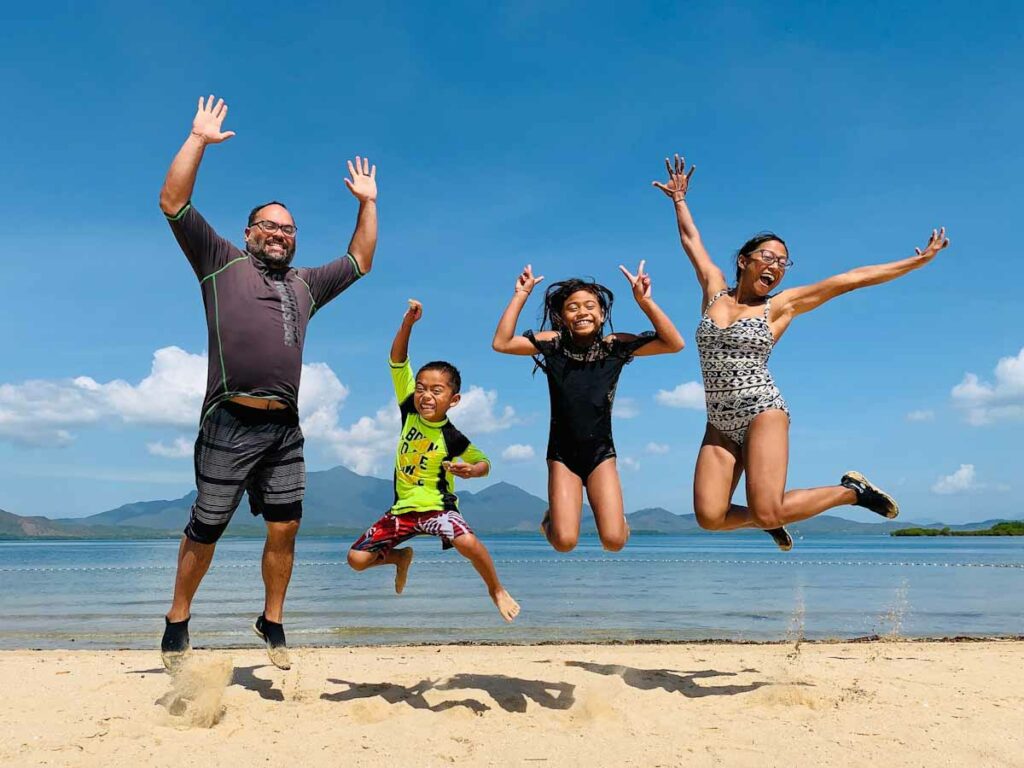
- Beaches, snorkeling, and jungle are the standout experiences
- Filipino hospitality makes the destination especially welcoming
- Safety note: petty theft is more common in larger cities, so stay aware
- The Philippines rewards slow travel and families open to exploring beyond Manila
Episode Chapters
00:00:00 - Introduction
00:00:14 - Welcome to Worldschooling Q&A
00:00:44 - Today's Question: How do I worldschool in the Philippines?
00:01:06 - Geography, history, and getting oriented
00:02:17 - Source of Intro Clip: Clint's personal Filipino family connection
00:04:45 - Getting around: ferries, jeepneys, and tricycles
00:10:01 - Internet, sim cards, and working remotely
00:13:55 - Travel highlights: road tripping Luzon
00:18:18 - Palawan, the subterranean river, and nature
00:19:33 - History museums and a Pacific view of World War Two
00:24:11 - Food culture and dietary considerations
00:31:01 - Closing thoughts and sign-off
Further worldschooling resources
- 8 Must-See Tourist Spots in Luzon for Philippines Travel
- One Day In Manila: Family-Friendly Places To Go In Manila
- 13 Amazing Activities For A Puerto Princesa Itinerary: Visiting Palawan With Kids