
Episode 37: How Do We Do Worldschooling in the United States?

In this episode of the Worldschooling Q&A Podcast, Astrid and Clint answer how families can do worldschooling in the United States.
Worldschooling Q&A Podcast - Episode 37
Hosts: Astrid & Clint, creators of The Wandering Daughter
Title: Episode 37: How Do We Do Worldschooling In The United States?
This post may contain affiliate links. That means I may receive a small commission if you click on the link and purchase something. But don't worry, this will not result in any extra costs to you.
Worldschooling podcast episode summary
In this episode of Worldschooling Q&A, Astrid and Clint tackle a question that comes up more than you might expect: how do you do worldschooling in the United States? For American families, that question essentially becomes, how do we worldschool in our backyard?
As part of our ongoing country deep dives, we explore what it actually looks and feels like to worldschool across the United States, drawing from years of family road trips that started well before our four-year international adventure.
From practical logistics like visas, currency, getting around, and the real cost of healthcare, to the highlights that make the US genuinely worth slow traveling, we make the case for approaching the United States the way you would any other destination.

Worldschooling consultations
Meet with Clint and Astrid for personalized help with your worldschooling plan.
We talk through the country's incredible landscape diversity, its immigrant communities and food culture, its national and state parks, and the worldschooling potential packed into cities like New York, Washington DC, and Seattle. Whether you are a US-based family looking at your own country with fresh eyes, or an international family planning a visit, this episode gives you a grounded, honest starting point for worldschooling in the United States.
Approaching worldschooling in the United States like any other destination
Road trips are a long-standing tradition in our family. We completed our first cross-country trip with just one kid back in 2008. Then we did it again with two kids a few years later. By the time we launched our four-year international journey in 2018, we had already done it with three kids.
That grounding in US travel shaped how we approach worldschooling in the United States today. Like visiting any other country, it helps to slow down, go deep into a region, and resist the urge to just check off the landmarks.
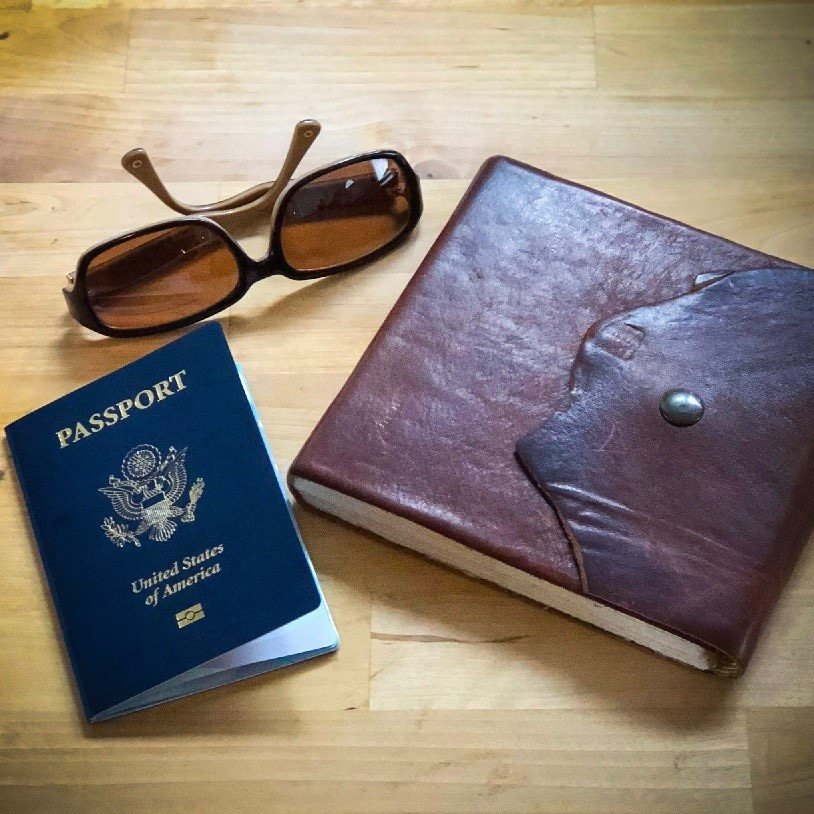
Visas and entry for international visitors
For US citizens and most visitors from Europe, entry into the United States is fairly straightforward. Many European travelers are granted a visa-on-arrival type arrangement.

But for families coming from Mexico, the Philippines, Indonesia, and many other countries, the visa process involves a formal application, a waiting period, and in some cases an interview. If you are planning on worldschooling in the United States from another country, research what is required well in advance and allow more time than you think you need. Requirements can shift, and it is better to have clarity early.
Ready for a change? Take the first step to living a life of full time travel.
Currency and cost of travel
The US dollar is one of the stronger currencies in the world, which means traveling here can feel expensive, even for us as American earners. For Canadian families especially, the exchange rate can make a real difference in the day-to-day budget.
Food, accommodation, and transportation all carry a higher price tag than what many families are used to in other worldschooling destinations. Going in with a realistic budget is part of what makes worldschooling in the United States manageable and enjoyable rather than stressful.
Getting around a big country
The United States is enormous, and getting from place to place requires some planning. We have always favored road trips for the freedom and flexibility they offer, but there are other options families can consider as well.

Domestic flights can be surprisingly affordable if you book early. Trains are also an option, particularly on the East Coast where cities are closer together. However, they can be pricier than expected. National bus services like Greyhound and discount carriers like Megabus offer budget-friendly routes.
If you are in the Pacific Northwest, ferry systems, like the one we use regularly in the Seattle area, add another layer of flexibility, including routes up to Canada. And for families who love the outdoors, renting an RV opens up the national parks in a way that is hard to match.
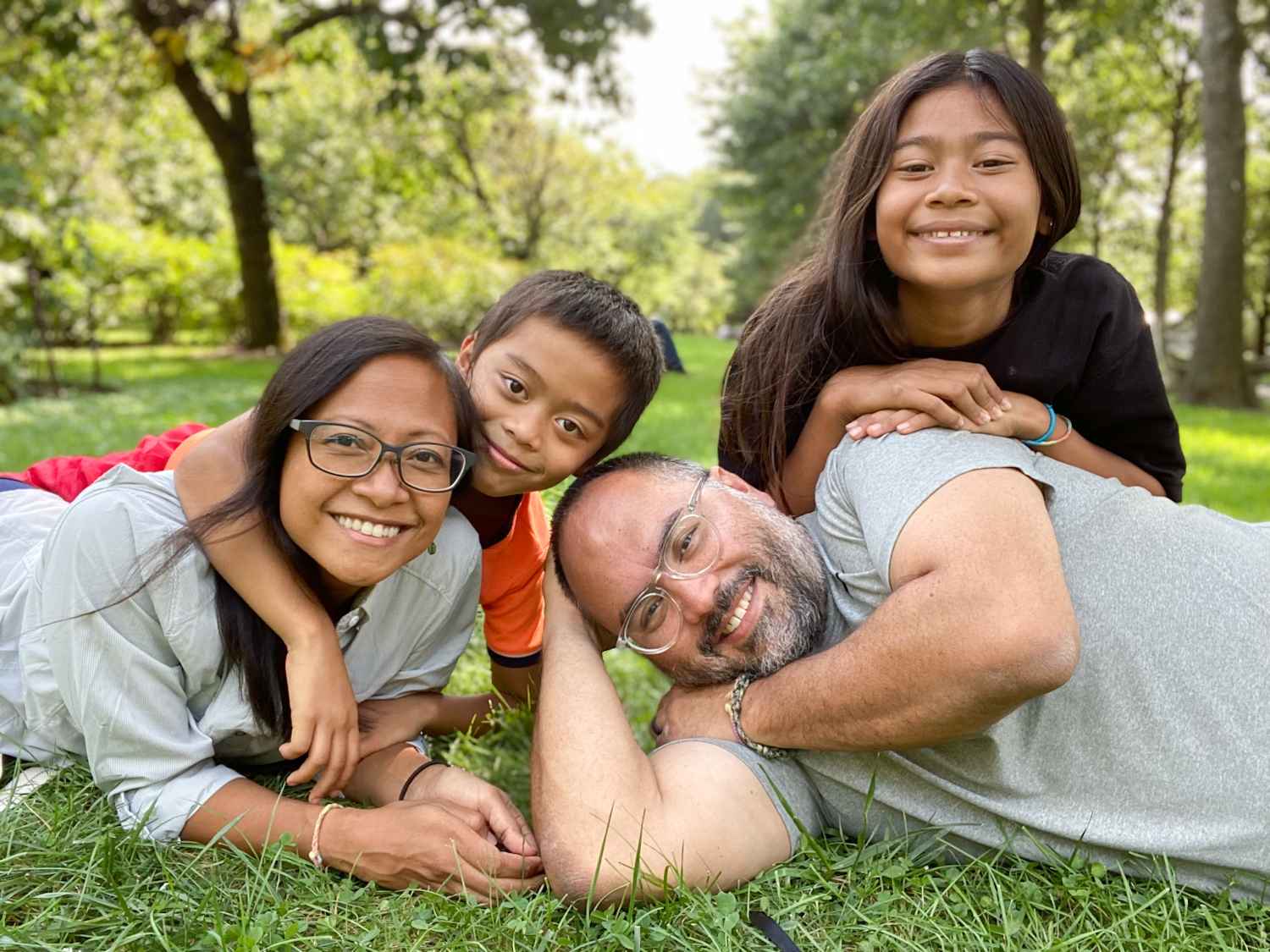
Get weekly worldschooling tips sent to your inbox with my Worldschooling Wednesday email series.
Making the most of worldschooling in the United States: nature, cities, and history
One of the most compelling arguments for worldschooling in the United States is the sheer range of what you can experience. We often hear families say the US is just one country, but in terms of landscape, culture, and history, it behaves more like a continent.
Each region offers something genuinely different, and that variety is what makes slow travel here so rewarding.
National parks and landscape diversity
The United States has an extraordinary range of ecosystems, from tropical rainforests and sprawling deserts to towering mountain ranges and dramatic coastlines. The national park system is a real highlight.

An annual national parks pass makes access to federal parks genuinely affordable, and there are hundreds to choose from beyond the most popular ones. State parks add another layer of accessible natural beauty in nearly every region. Some of our favorite parks are the national parks in the West, which offer a level of biodiversity that rivals almost anywhere we have traveled in the world.
Cities as worldschooling classrooms
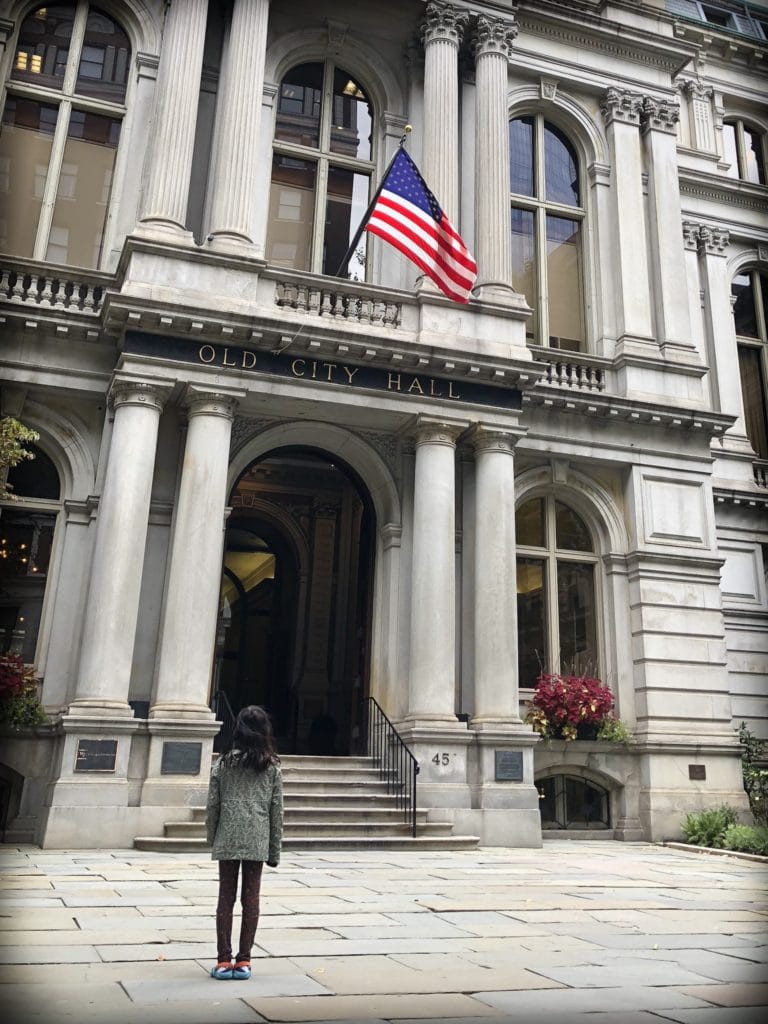
One of our favorite things about worldschooling in the United States is how distinct each major city feels. East Coast cities like Boston, Philadelphia, New York, and Washington DC each carry their own cultural identity. On the other hand, the West Coast offers a completely different feel in cities like Los Angeles, San Diego, San Francisco, Portland, and Seattle. The Southwest and the Midwest, cities like Denver, Albuquerque, Phoenix, and even Kansas City, have their own rhythms and stories.
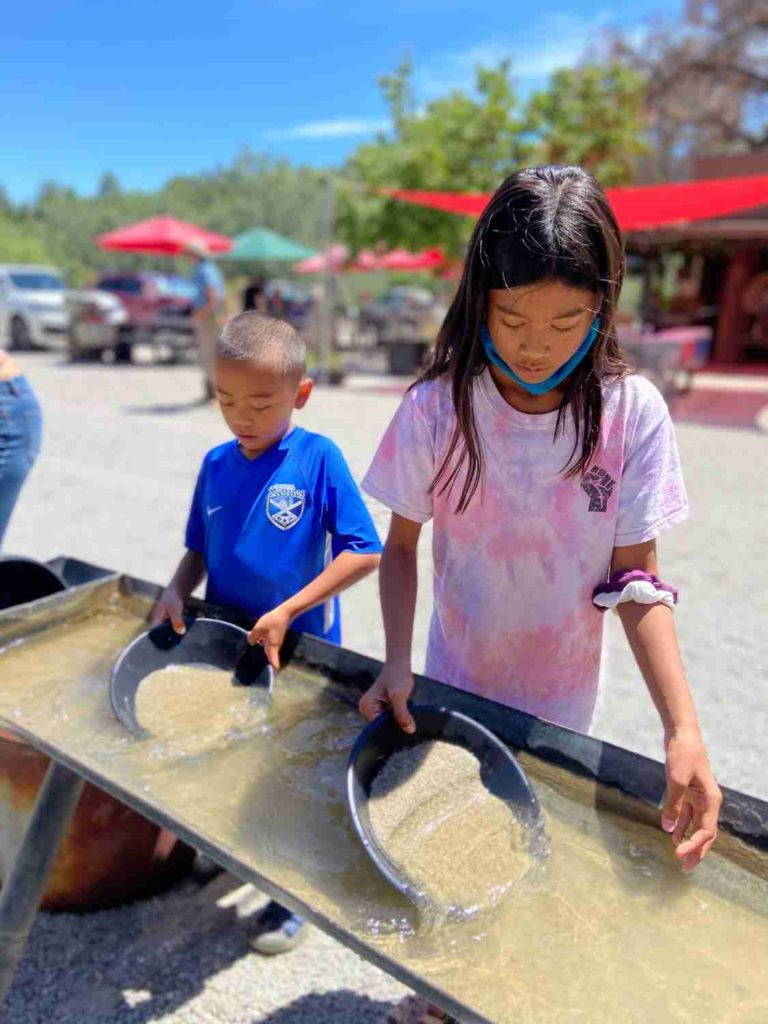
Washington DC stands out for its museum culture and accessible national historic sites, many of which are free. It is genuinely one of the best cities for worldschooling in the United States on a budget.
Immigrant communities, food, and learning through culture
One of the richest parts of worldschooling in the United States is its immigrant history. Few countries have absorbed as many communities from as many parts of the world, and major cities reflect that. Little Italys, Chinatowns, Russian neighborhoods, South Asian enclaves, and Latin American communities each offer a kind of cultural immersion that you might not expect to find at home.

Find the perfect place to stay during your worldschooling adventure through Booking!
Food is one of the most tangible expressions of that history. While eating out in the US is expensive, the variety is remarkable. Soul food rooted in the American South, Tex Mex, Creole cooking, and the regional cuisines carried here by generations of immigrants all tell a story worth exploring with your kids.
We spent a month in New York City and used the city's immigrant history as a full learning unit, tracing the communities that were processed through the city over the decades. It was one of the most memorable worldschooling experiences we have had in the United States.
Submit your worldschooling questions here!
Key topics covered in this episode
Road trips as a foundation for worldschooling in the United States
- We started road tripping before our kids were born and continued through each stage of family life
- A cross-country trip kicked off our four-year international worldschooling journey
- Slow travel by car is one of the most flexible ways to worldschool in the United States
Get prepared for any emergency with the insurance made for digital nomads!
Visas and entry logistics
- Most European visitors can enter without a formal visa application
- Visitors from Mexico, the Philippines, Indonesia, and other countries face a more involved process
- Research requirements for worldschooling in the United States early and allow extra time for processing and possible interviews
- The US restricts entry from certain countries, so confirm eligibility well in advance
Currency and cost
- The US dollar is strong, making the country expensive for many international visitors
- Even US earners find day-to-day costs high compared to many other worldschooling destinations
- Budget carefully, particularly for food, accommodation, and healthcare
Getting around
- Road trips offer the most flexibility for covering large distances
- Domestic flights are affordable with advance booking
- Trains work well on the East Coast but are less practical elsewhere
- Bus networks, rideshares, ferries (especially in the Pacific Northwest), and RVs all offer alternatives
Learn more about the amazing family travel resources we use for worldschooling!
Healthcare and travel insurance
- Healthcare in the US is costly and a real concern for international visitors
- European and Canadian families worldschooling in the United States often need additional insurance just to visit
- Travel insurance for the US can cost significantly more than standard international plans
- Research travel health coverage well before arriving and factor it into your overall budget
Landscape diversity and national parks
- The US contains almost every biome, from deserts to rainforests to glaciers
- The national park system is a great resource for worldschooling in the United States
- An annual parks pass makes access affordable
- State parks provide additional options in nearly every region
Cities and immigrant communities
- Each US region has distinct cities with their own cultural identity
- Washington DC offers free museums and national historic sites
- New York City's immigrant history makes it an extraordinary destination for worldschooling in the United States
- Food culture across the US reflects centuries of immigration and is a rich lens for learning
Episode chapters
00:00:00 – Introduction
00:00:06 – Welcome to Worldschooling Q&A
00:01:20 – Today's Question: How do I worldschool in the United States?
00:01:46 – Road trips as a worldschooling tradition
00:03:40 – Visas and entry requirements for international visitors
00:06:08 – Currency and the cost of traveling in the US
00:07:00 – Getting around: road trips, trains, buses, and ferries
00:10:39 – Source of Intro Clip: Healthcare costs and travel insurance in the US
00:12:42 – Highlights: landscape diversity and national parks
00:15:25 – Cities highlights for worldschooling in the United States
00:23:23 – Immigrant communities, food culture, and learning through New York City
00:26:53 – Outro and closing CTA

Further worldschooling resources
- 6 Genius Ways We Save Money on US Family Travel
- 10 Must-See National Parks In The West For Families
- 7 Useful Tips For Walking The Freedom Trail With Kids
- 25 Best Non Touristy Things To Do In NYC With Kids
- 10 Educational Things To Do With Kids In Washington DC
- Best 48 Hours in Kansas City Itinerary: 13 Ideas For Families
- 9 Best Family Friendly Denver Experiences You Can't Miss
- 15 Best Seattle Museums For Kids To Visit This Year
- Ultimate Guide For Top Things To Do In Portland with Kids
- The Best San Diego Itinerary With Kids: 6 Sustainable San Diego Family Vacation Ideas


