Episode 47: How Do You Create A Flexible Worldschooling Curriculum?
In this episode of the Worldschooling Q&A Podcast, Astrid and Clint answer how families can balance structured learning with spontaneous learning while building a worldschooling curriculum on the road.
Worldschooling Q&A Podcast - Episode 47
Hosts: Astrid & Clint, creators of The Wandering Daughter
Title: Episode 47: How Do You Create A Flexible Worldschooling Curriculum?
This post may contain affiliate links. That means I may receive a small commission if you click on the link and purchase something. But don't worry, this will not result in any extra costs to you.
Worldschooling podcast episode summary
Building a worldschooling curriculum that actually works day to day means answering a specific question: how do you balance structured learning with spontaneous learning while traveling? In this episode, we break down what that balance looked like for us across four years on the road.

Our own worldschooling curriculum shifted over time. For the first two years of our travels, Astrid ran homeschooling while Clint worked. Later on, we split the responsibility, building a daily routine around both our work schedules and the kids' learning time.
During our worldschooling podcast episode, we walk through the practical side of a worldschooling curriculum: a daily structure built around math, reading, and language study in the morning, writing and other subjects in the afternoon, and field trips that fill in the rest. We also cover how tours, worldschooling hubs, local schools, and online platforms like OutSchool fit into that structure.

Worldschooling consultations
Meet with Clint and Astrid for personalized help with your worldschooling plan.
This episode is for any family wondering whether a worldschooling curriculum has to be either fully planned or fully improvised. We found it works best as both, and we explain exactly how we made that work in practice.
Recommended books for creating a worldschooling curriculum
To help you build a worldschooling curriculum that fits your family, here are a few books I recommend reading:
- The Case For Home Schooling: Free Range Home Education Handbook (by Anna Dusseau): this book covers the various homeschool philosophies out there, and includes a chapter on worldschooling written by Astrid.
- The Way They Learn (by Cynthia Ulrich Tobias): this book covers different learning styles and how to adapt to them.
- This is Not a Vacation: How Our Family Learned to Travel (by Becca Campbell): this book talks through how to travel with neurodivergent kids, helpful for families navigating different learning styles.
- Sapiens: A Brief History of Humankind (by Yuval Noah Harari): this is not a traditional history book, but helps you think about how the cultures in this world interact and influence each other.
Designing a daily worldschooling curriculum around structure
Every worldschooling curriculum needs some kind of daily backbone. Ours was built around a routine that fit our work schedules as much as our kids' learning needs.
Splitting homeschooling duties between two working parents
For the first two years of our travels, from 2018 onward, Astrid handled most of the homeschooling while Clint worked. By the second half of our four-year trip, we had both taken on work. So we restructured our worldschooling curriculum to split teaching duties between us.
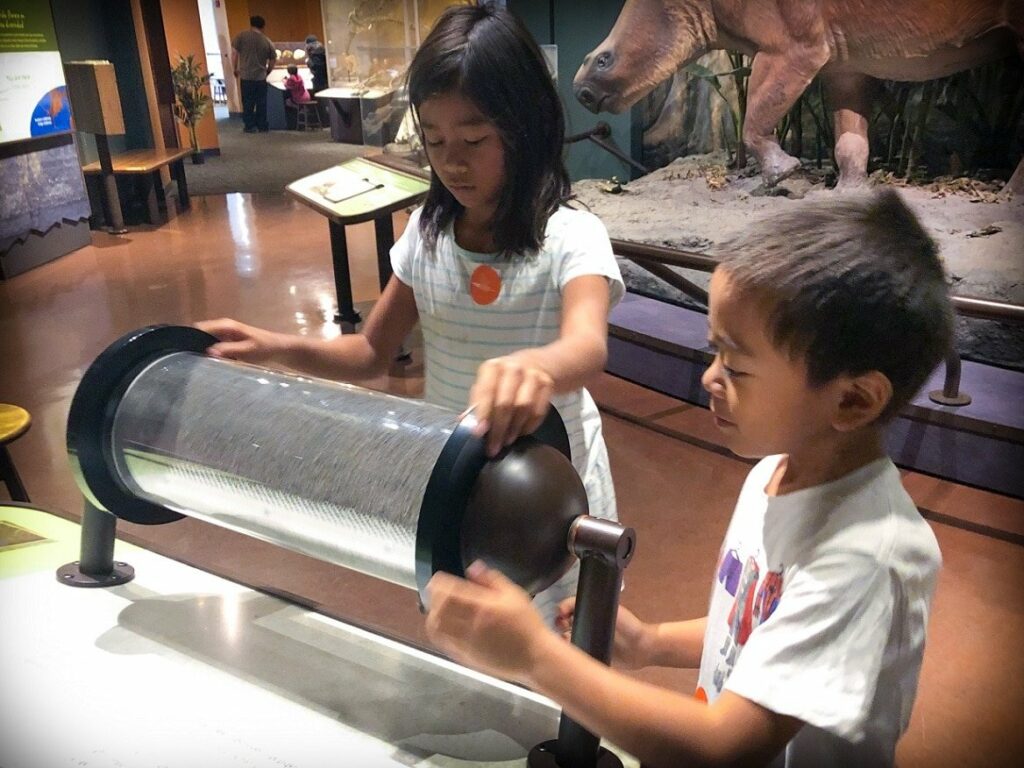
This meant coordinating our schedules so one of us was always available for lessons. In North America, Astrid worked East Coast hours and Clint worked West Coast hours. This meant Astrid often finished earlier and could take the kids to a museum or local park while Clint kept working.
Ready for a change? Take the first step to living a life of full time travel.
The daily rhythm: math, reading, and writing
The structured side of our worldschooling curriculum centered on mornings. We used that time for math, self-study reading, and language practice, since those subjects benefited from a consistent daily habit.
Afternoons were reserved for writing and other subjects we filled in as we went, including science. In Europe, we shifted this rhythm so the kids did independent work while we were both working, freeing up daytime hours for field trips instead.
Field trips as the bridge between planned and unplanned learning
Field trips are where our worldschooling curriculum stopped being purely structured. We had a plan for how the outing would go, but not always a fixed idea of what the kids would take away from it.
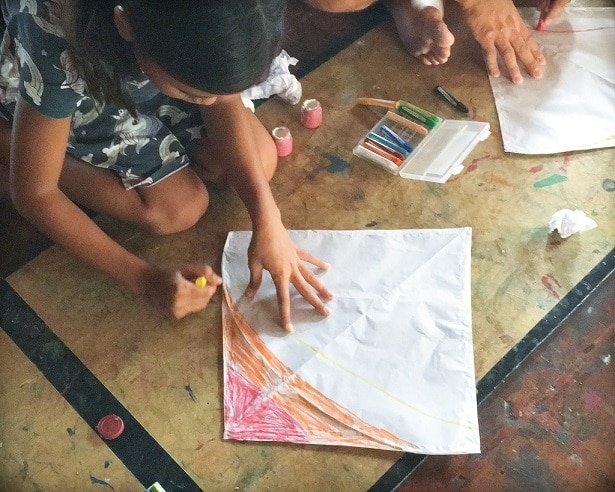
That in-between space, part planned and part open-ended, is what let spontaneous interest turn into real lessons without us having to force it.
Turning spontaneous moments into a worldschooling curriculum
Some of the best material for our worldschooling curriculum came from things we never planned for at all. The trick was noticing when a spontaneous moment was worth building a lesson around.
The Alhambra and flamenco in Granada, Spain
For example, before visiting Granada, Spain, we watched videos about the Alhambra as part of a social studies lesson. We covered its Moorish influences and how the fortress was built. When we actually walked through it, we could point out details the kids had already seen on video.
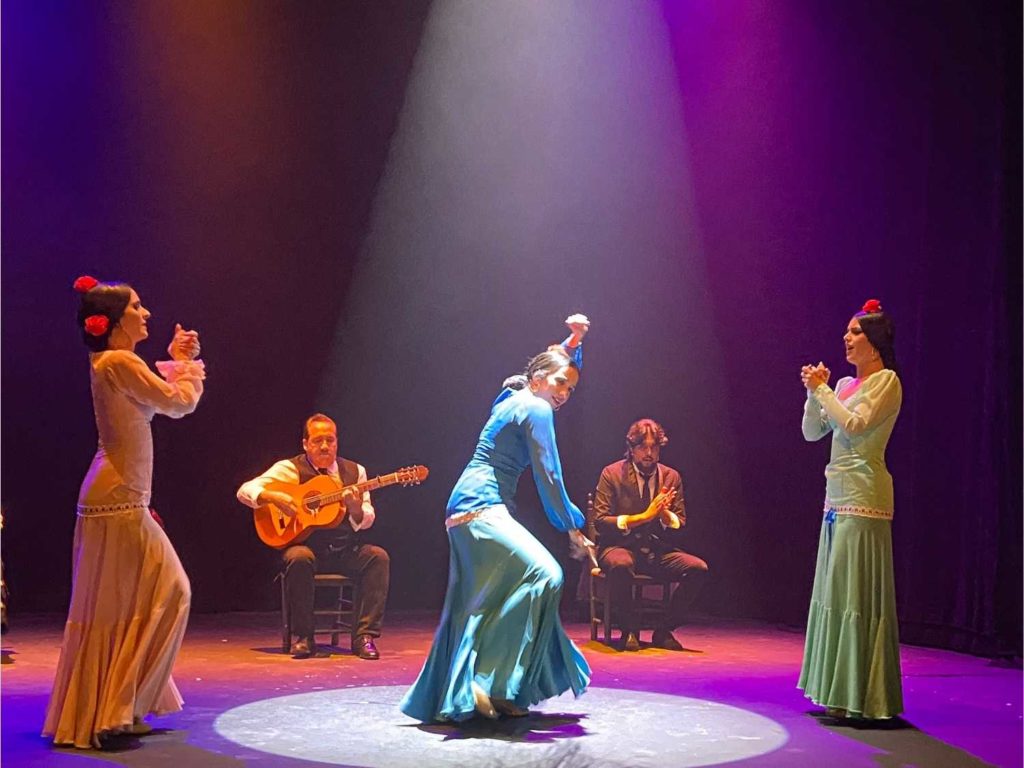
On a separate trip to Granada, we went to a dinner with flamenco dancing, which became its own spontaneous spark. The next time we were back, we visited a Romani museum built into caves outside the city to learn about the history of flamenco and Romani culture, turning that dinner into a full lesson plan.
Mosaics and frescoes in Italy
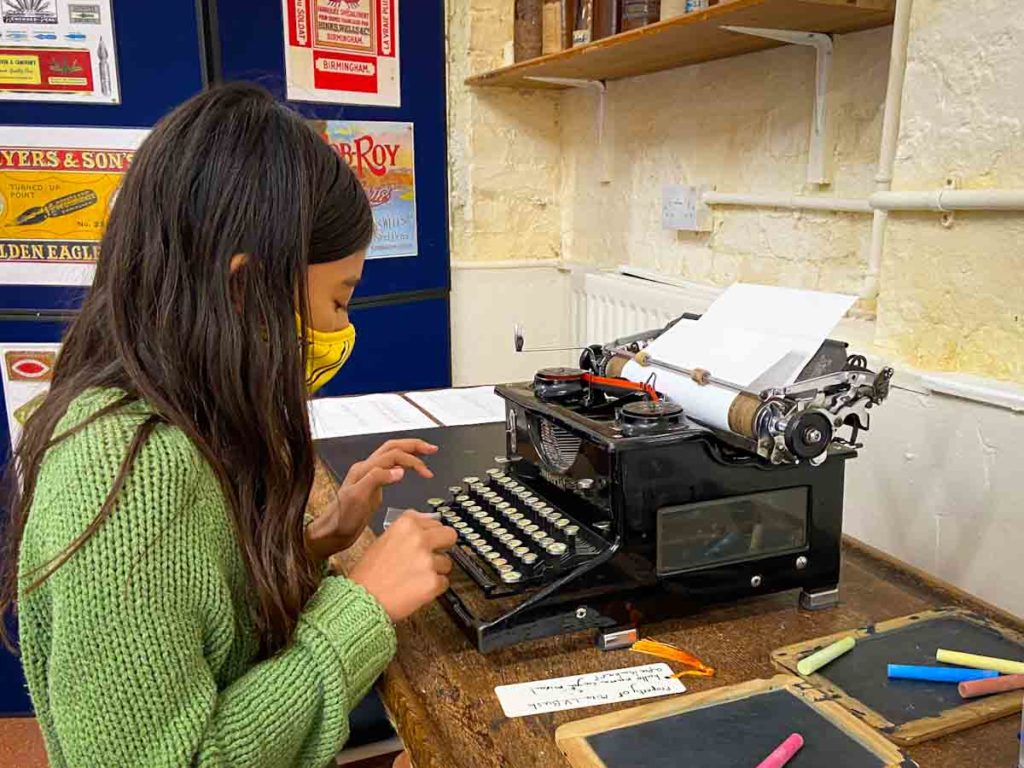
As another example, while visiting sites with mosaics in Italy, the kids got curious about how they were made. We bought magazines at a grocery store, cut up the pages, and let the kids design their own mosaics from the scraps.
We followed that up with videos on mosaic history and frescoes, since we had just seen real examples in the ruins we visited. This is a clear example of a worldschooling curriculum built entirely from a spontaneous spark.
Get weekly worldschooling tips sent to your inbox with my Worldschooling Wednesday email series.
Worldschooling hubs and local pop-up events
Worldschooling hubs and pop-up events are another way to build spontaneity into a worldschooling curriculum without doing all the planning yourselves. When a hub is not available, local Facebook groups for worldschooling families are often a good substitute.
In Spain, we connected with the local worldschooling community and found a tree-planting event happening right after Christmas. Signing up gave the kids a hands-on, unplanned experience that fit naturally into what we were already doing.
Learn more about the amazing family travel resources we use for worldschooling!
Using tours and outside programs to round out a worldschooling curriculum
Tours, local classes, and outside programs are useful tools for any worldschooling curriculum because they add structure and spontaneity at the same time. You cannot always plan a lesson before a tour, but there is plenty to build on afterward.
Themed and cultural tours across countries
We have taken tours across Mexico, Indonesia, Spain, and the UK that shaped our worldschooling curriculum in different ways. In Scotland, a Harry Potter themed tour wove in real historical context alongside the books and filming locations.

Food tours have also been a consistent favorite because they connect kids to local culture in a tangible way, through taste rather than just facts. In Indonesia we took cooking classes, and in Japan we experienced a tea ceremony that introduced the kids to the ritual and spiritual side of the practice.
Wildlife and nature-based tours
Wildlife tours are some of the richest material for a worldschooling curriculum because they combine experience with real-time expert knowledge. Before a whale shark tour in La Paz, Mexico, we studied migratory patterns in advance. Then during the tour, a marine biologist on the boat explained conservation and protection efforts firsthand.
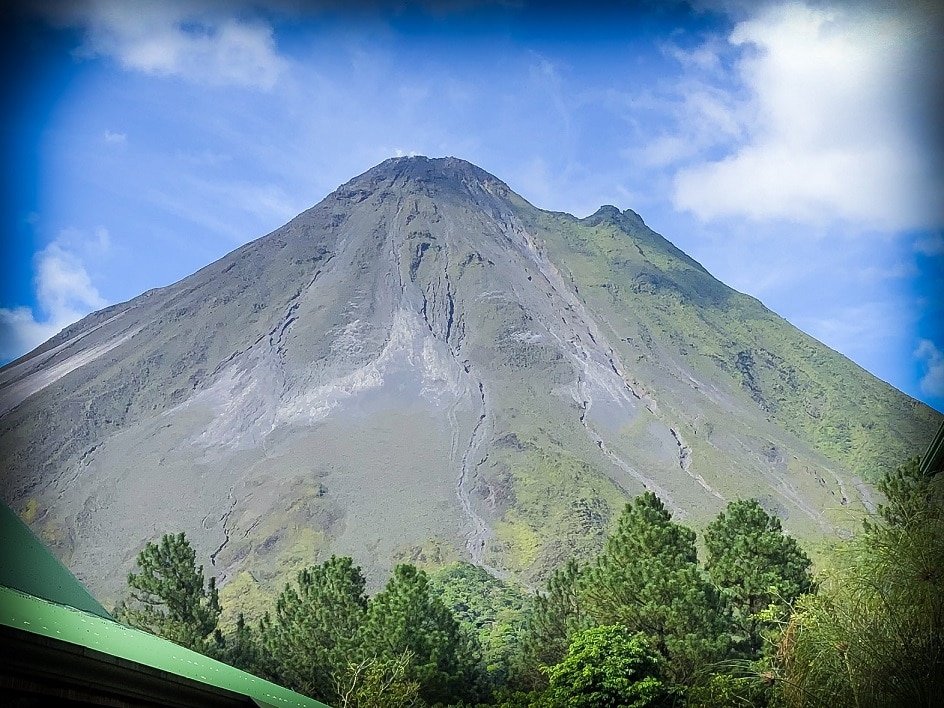
In La Fortuna, Costa Rica, a hiking tour around the Arenal Volcano turned into a memorable moment when our six-year-old son correctly identified leafcutter ants that the guide had asked the group about. He already knew the answer from what we had built into his worldschooling curriculum at home, and the tour helped reinforce it.
Get prepared for any emergency with the insurance made for digital nomads!
Local schools and online platforms like OutSchool
Enrolling in local schools has added a different kind of structure to our worldschooling curriculum. In Mexico, we enrolled the kids in a Waldorf school. And another time in La Paz, we enrolled them in a language school for part of the week.
We also use OutSchool, an online learning platform, to supplement structured learning without having to teach every subject ourselves. That is how our son got started with karate. Another time, we used OutSchool to give the kids lessons on Native American history taught by a Native American instructor.
Submit your worldschooling questions here!
Key topics covered in this episode
Structured learning routines
- Morning blocks for math, reading, and language study
- Afternoon time for writing and other subjects filled in as needed
- Splitting teaching duties between two working parents based on time zones
Field trips as planned-unplanned hybrids
- A loose plan for the outing itself, without a fixed learning objective
- Room for the day to shape what the lesson becomes afterward
Turning spontaneous moments into lessons
- Pre-trip videos about the Alhambra before visiting Granada, Spain
- A dinner with flamenco dancing that led to a later museum visit on Romani history
- Grocery store magazines turned into a hands-on mosaic project in Italy
Worldschooling hubs and community events
- Facebook groups as a substitute when no formal hub is nearby
- A spontaneous tree-planting event joined in Spain
Tours as a worldschooling curriculum tool
- A Harry Potter themed tour in Scotland with real historical context
- Food tours and cooking classes in Indonesia
- A tea ceremony experience in Japan
Wildlife and nature tours
- Whale shark tours in La Paz, Mexico, paired with pre-trip research
- Snorkeling with giant starfish in Cozumel, Mexico
- The Arenal Volcano hike in La Fortuna, Costa Rica
Local schools and outside programs
- A Waldorf school enrollment in Mexico
- A language school in La Paz
- OutSchool classes for karate and Native American history
Episode chapters
00:00:00 – Introduction
00:00:36 – Astrid Welcomes You to Worldschooling Q&A
00:01:23 – Today's Question: How Do You Balance Structured and Spontaneous Learning?
00:01:59 – Building a Daily Homeschool Routine While Traveling
00:04:02 – Planning Field Trips Around History: Alhambra and Flamenco in Spain
00:05:43 – Turning a Spontaneous Interest Into a Lesson: Mosaics in Italy
00:06:50 – Worldschooling Hubs, Pop-Up Events, and the Value of Tours
00:08:00 – ↩ Source of Intro Clip: The "Don't Make This a Worldschooling Moment" Story
00:08:31 – Favorite Themed Tours: Harry Potter, Food, and Tea Ceremony
00:09:28 – Wildlife Tours and the Leafcutter Ants Story in Costa Rica
00:11:52 – Local Schools, OutSchool, and Specialized Classes
00:13:40 – Astrid's Sign-Off and Closing CTA
Further worldschooling resources
- Choosing A World Cultures Curriculum For Your Kids
- 30 Fun Homeschool Activities Families Can Do Anywhere
- 45 Valuable Worldschooling Resources for Families
- Episode 4: What educational philosophies are best for worldschooling?
- Episode 6: How do I create a worldschooling plan?
- Episode 3: What can kids learn from worldschooling?