
Episode 17: How Do I Balance Work While Worldschooling?

In this episode of Worldschooling Q&A, Astrid and Clint share their insights to the age old question, How do I balance work while worldschooling?
Worldschooling Q&A - Episode 17
Hosts: Astrid & Clint, creators of The Wandering Daughter
Title: Episode 17: How Do I Balance Work While Worldschooling?
Episode Summary
In this episode of Worldschooling Q&A, Astrid and Clint explore one of the most important—and most challenging—aspects of long-term travel: maintaining work-life balance while worldschooling. Drawing from four years of full-time travel across 18+ countries, they share real-life strategies that helped their family protect mental health, stay connected, and avoid burnout on the road.

They discuss how defining family priorities creates clarity, why alternating between social time and retreat is essential, and how slowing down can dramatically change your experience. The conversation also covers practical work strategies like flexible schedules, time zone advantages, and staggering work hours when traveling with kids.
Whether you’re already worldschooling or just beginning to explore location-independent family life, this episode offers reassurance, perspective, and actionable ideas to help you find balance that actually works for your family.
Defining priorities when you work while worldschooling
Balancing family life, learning, and income on the road starts with clarity. Before schedules or productivity systems, families need to understand what matters most when they work while worldschooling.
Ready for a change? Take the first step to living a life of full time travel.
Naming what matters most
When families work while worldschooling, it quickly becomes clear that doing everything is not realistic. Defining priorities helps guide daily decisions and reduces stress. For us, quality time together consistently ranked higher than checking off attractions or squeezing in more work hours.
Choosing connection over constant activity
Overscheduling is one of the fastest ways to feel disconnected while traveling. When you work while worldschooling, too many activities can pull everyone in different directions. Prioritizing shared experiences creates a rhythm that supports both family connection and focused work time.

Balancing social time and recovery time
Community plays an important role when families work while worldschooling, but so does rest. We found that our social lives moved in cycles, with busy periods followed by quieter stretches. Recognizing this pattern helped us maintain balance and avoid burnout.
Creating rhythms that support work while worldschooling
Daily and weekly rhythms are essential for maintaining balance. When families work while worldschooling, structure does not disappear. It simply looks different.
Planning down days on purpose
Rest does not happen by accident when you work while worldschooling. We learned to intentionally plan down days between activities. These slower days helped everyone reset and made it easier to stay present with both work and family.
Learn more about the amazing family travel resources we use for worldschooling!
Embracing a slower travel pace
Slow travel supports families who work while worldschooling by removing constant pressure. Staying longer in one place allows everyday routines to return. Simple moments like grocery shopping or park visits help travel feel sustainable rather than overwhelming.
Making space for everyday joy
Movies, cafes, and neighborhood walks might seem unremarkable, but they matter when you work while worldschooling. These experiences anchor families and reduce pressure to maximize every day.
Slowing down creates flexibility. These small rituals help travel feel like real life, not a performance or purely for consumption.
Managing logistics while you work while worldschooling
Practical work strategies are just as important as emotional balance. They make a big difference when families are earning an income on the road. Flexibility, communication, and realistic expectations are essential when you work while worldschooling.

Using time zones to your advantage
One unexpected benefit of working remotely is the ability to use time zones strategically. For example, when we work while worldschooling in Europe or Asia, we take advantage of work in the evening, which coincides with US work hours.
In this way, our daytime hours can stay free for family life while work shifts later. This approach allowed us to balance work without sacrificing too much sleep or shared routines.
Adapting work schedules for different ages
Working while worldschooling looks different depending on your children’s ages. When kids are younger, one parent often needs to be more present. Staggering work hours allowed us to keep our work commitments, and still meeting our kids’ needs. As children grow more independent, the work schedule can evolve with them.
Supporting independence and focus
Independent play and quiet time matter a lot for kids who are developing learning and social skills. These moments give children autonomy and allow parents to focus without constant interruption. Creating clear expectations around these times helped us work while worldschooling with less stress and more mutual respect.
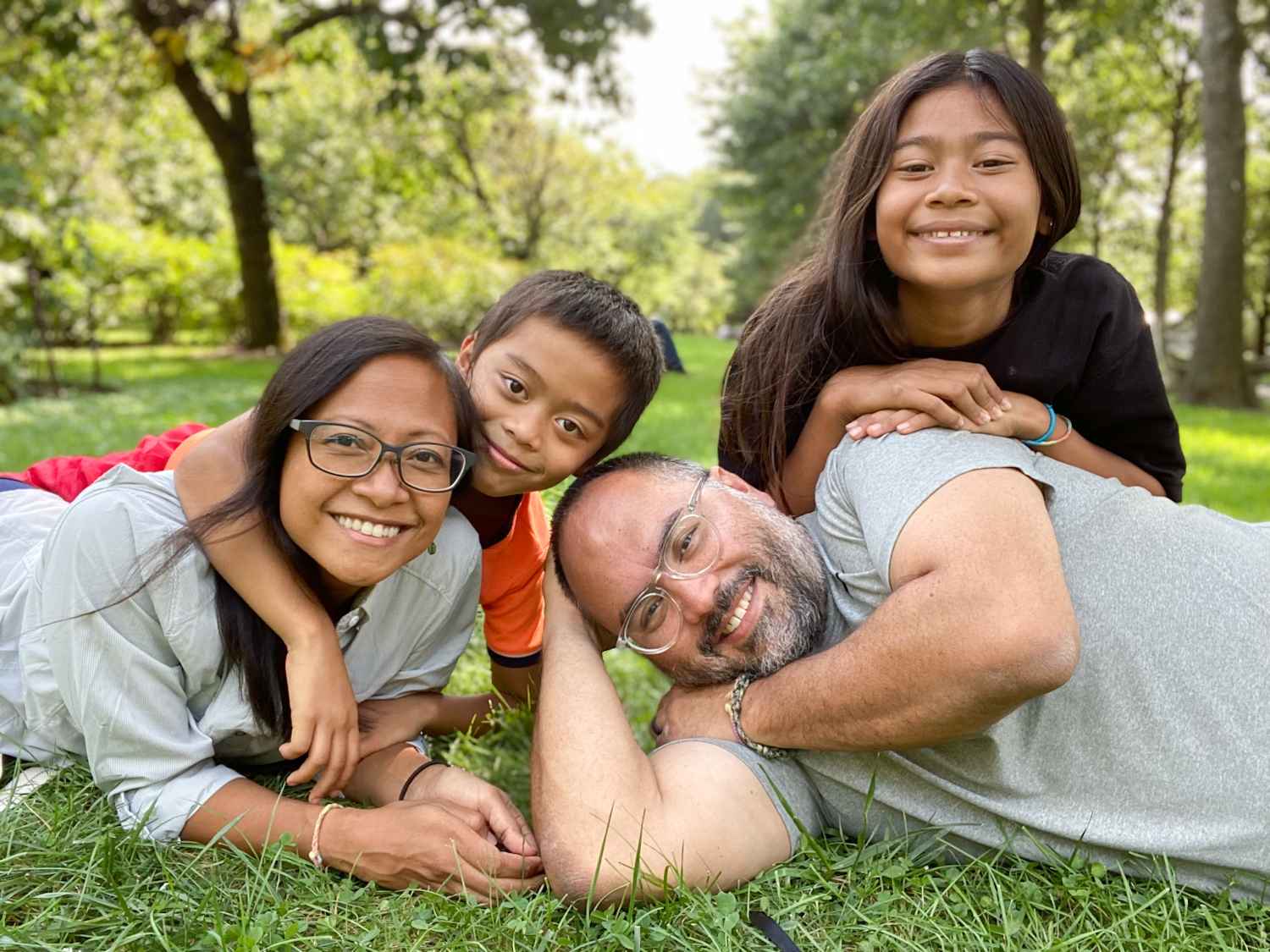
Get weekly worldschooling tips sent to your inbox with my Worldschooling Wednesday email series.
Communicating needs and boundaries
Clear communication is foundational traveling full time. Families spend more time together, which amplifies both connection and tension. Being able to express needs, boundaries, and limits openly makes it easier to balance your responsibilities for work while worldschooling. This also helps create healthy relationships all around.
Protecting mental health through flexibility
Mental health cannot be an afterthought when you're living the digital nomad life with your kids. Flexibility, honesty, and regular check-ins help families adjust before burnout sets in. Balancing work while worldschooling is not about perfection. It is about noticing when something is not working and making changes early.
By defining priorities, creating supportive rhythms, and approaching logistics with flexibility, families can work while worldschooling in a way that feels sustainable, connected, and deeply human.
Submit your worldschooling questions here!
Episode Guide
Defining priorities as a family
- Clarifying what matters most
- Accepting you cannot do everything
- Choosing values over constant activity
Quality time and family connection
- Prioritizing shared experiences
- Avoiding schedules that pull families apart
- Re-centering when things feel off
Social time vs. recovery time
- Socialization happens in cycles
- Retreat periods are necessary
- Balance between community and rest

Find the perfect place to stay during your worldschooling adventure through Booking!
Slow travel as a balance tool
- Staying longer in one place
- Reducing pressure to “do it all”
- Making room for everyday life
Planning down days
- Intentionally scheduling rest
- Spacing activities across the week
- Preventing exhaustion and burnout
Everyday activities as meaningful time
- Grocery shopping together
- Park visits and café mornings
- Movies and simple routines

Flexible work schedules
- Not being tied to a desk all day
- Adjusting work hours as needed
- Allowing movement and breaks
Using time zones strategically
- Daytime free, work later hours
- Aligning work with home-country schedules
- Protecting sleep and routines
Working while traveling with younger kids
- One parent present at a time
- Staggered work schedules
- Supporting independent play

Communication and boundaries
- Supporting mental health
- Expressing needs clearly
- Discussing limits openly
Chapters
00:00:00 – Introduction
00:01:04 – Today’s Question: How do I manage work-life balance while worldschooling?
00:01:21 – Defining family priorities and values on the road
00:02:43 – Social time vs. retreat: finding your family rhythm
00:03:59 – Scheduling downtime and avoiding burnout
00:04:54 – The power of slow travel for balance
00:06:07 – Flexible work schedules and using time zones wisely
00:07:24 – Staggering work hours with kids at different ages
00:08:24 – Communication, boundaries, and mental health
00:09:05 – Final thoughts and how to connect with Astrid & Clint
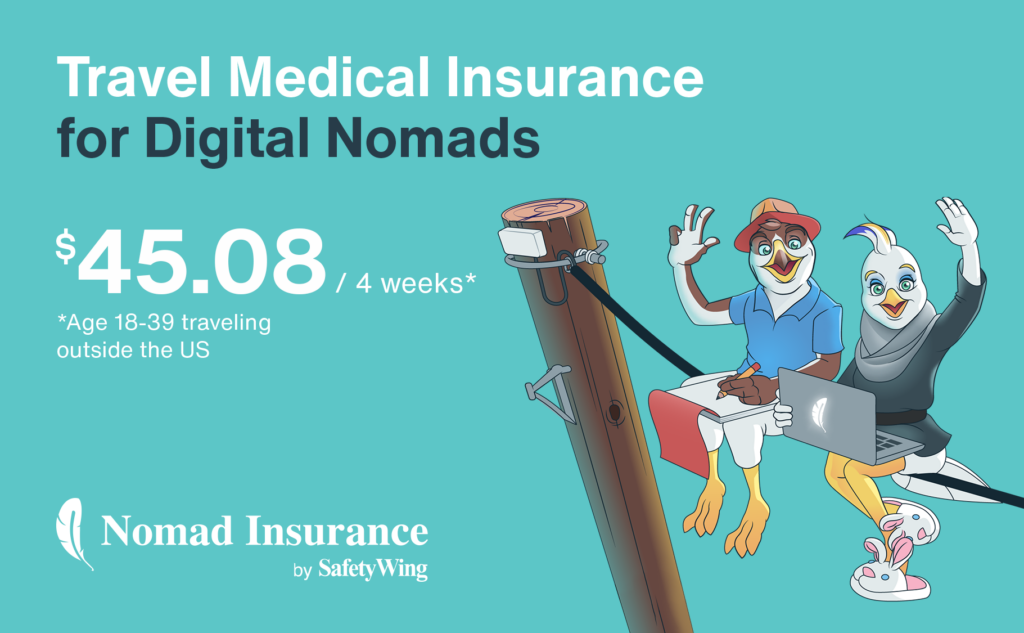
Get prepared for any emergency with the insurance made for digital nomads!
Further worldschooling resources
- What Life Is Like For A Digital Nomad With Family
- 5 Harsh Truths About Long Term Family Travel
- 5 Easy Ways to Incorporate Worldschooling Into Your Travels
- 11 Helpful Tips For Becoming a Worldschooling Family
Support the podcast
- Join The Wandering Daughter on Patreon for episode transcripts, extra resources, and live office hours with Astrid and Clint.
- Follow and subscribe on Spotify, Apple Podcasts, and YouTube.
- Leave a five-star review to help others discover the podcast.
- Submit your worldschooling questions to our podcast page.


