Episode 19: How Do I Create A Flexible Worldschooling Travel Schedule?

In this episode of Worldschooling Q&A, Astrid and Clint answer the question, How do I create a flexible worldschooling travel schedule?
Worldschooling Q&A - Episode 19
Hosts: Astrid & Clint, creators of The Wandering Daughter
Title: Episode 19: How Do I Create A Flexible Worldschooling Travel Schedule?
This post may contain affiliate links. That means I may receive a small commission if you click on the link and purchase something. But don't worry, this will not result in any extra costs to you.
Worldschooling Podcast Episode Summary
In this episode of Worldschooling Q&A, Astrid and Clint explore how families can create flexible travel schedules that balance education, exploration, and much-needed downtime. Drawing from years of full-time travel, they share how over-scheduling can lead to burnout, and why slowing down often leads to deeper learning and better experiences for both kids and parents.
During our worldschooling podcast episode, we discuss managing FOMO, identifying must-do activities, limiting daily plans, and intentionally scheduling chill days. You’ll also hear why communication within the family is essential and how slow travel opens the door to richer educational opportunities through museums, local life, and repeat experiences.
Whether you’re traveling short-term or worldschooling long-term, this episode will help you design a rhythm that works for your family, without exhaustion.
Building a flexible worldschooling travel schedule
Creating a rhythm that supports learning and rest is one of the most important pieces of a sustainable worldschooling travel schedule. In this episode, we talked about how planning ahead does not mean locking yourself into a rigid plan. Instead, it means choosing what matters most and leaving space for flexibility, curiosity, and downtime.
Ready for a change? Take the first step to living a life of full time travel.
Start with your must-dos
When we arrive somewhere new, we begin our worldschooling travel schedule by identifying a short list of must-do activities. These are not based on what other people say you should see. They are based on what feels meaningful for our family. This helps our worldschooling travel schedule stay intentional rather than overwhelming.

Use a visual calendar
A simple, visible calendar helps everyone understand the worldschooling travel schedule. We often use a dry-erase calendar so plans can shift easily. Seeing activities and rest days laid out helps kids manage expectations and gives them a sense of ownership over the worldschooling travel schedule.
Let go of fear of missing out
One of the biggest challenges when creating a worldschooling travel schedule is FOMO, the fear of missing out. Trying to see everything leads to exhaustion and shallow learning. By accepting that you cannot do it all, your worldschooling travel schedule becomes more realistic and far more rewarding.
Balancing learning with rest and downtime
A healthy worldschooling travel schedule includes just as much rest as activity. Learning happens best when everyone feels regulated, connected, and supported, not when you are rushing from place to place.
One main activity per day
We often limit our worldschooling travel schedule to one main activity per day. Sometimes that activity is a museum. Other times it is simply going to a park, a beach, or a local restaurant. This slower pace allows learning to unfold naturally within the worldschooling travel schedule.
Learn more about the amazing family travel resources we use for worldschooling!
Schedule chill days on purpose
Downtime does not just happen by accident. We intentionally add chill days into our worldschooling travel schedule, often at least once a week. These days might include swimming, reading, or staying close to home. Our kids often look forward to these days the most, which tells us how important they are.
Listen to energy levels
A flexible worldschooling travel schedule responds to how everyone is feeling. Kids reach a saturation point where more input does not equal more learning. Paying attention to physical and emotional cues helps you adjust the worldschooling travel schedule before burnout sets in.
Slow travel and smarter planning choices
Staying longer in one place can completely change your worldschooling travel schedule. Slow travel allows learning to deepen and routines to form, which benefits both kids and parents.
Take advantage of multi-day passes
One of the perks of a slow worldschooling travel schedule is access to multi-day museum passes. Instead of cramming everything into one long day, you can spread visits out. This makes learning feel lighter and helps kids return to places with familiarity and confidence.
Get weekly worldschooling tips sent to your inbox with my Worldschooling Wednesday email series.
Mix activity types thoughtfully
When building a worldschooling travel schedule, we try to vary the types of activities we do. Physical days, museum days, low-cost days, and higher-cost days are spread out. This keeps the worldschooling travel schedule balanced and supports both learning and budget awareness.
Plan like you live there
A meaningful worldschooling travel schedule often comes from using a place like a local would. Exploring nearby parks, neighborhood cafes, and everyday routines helps kids connect more deeply. Mapping out what is within walking distance often reveals experiences that never show up in guidebooks.
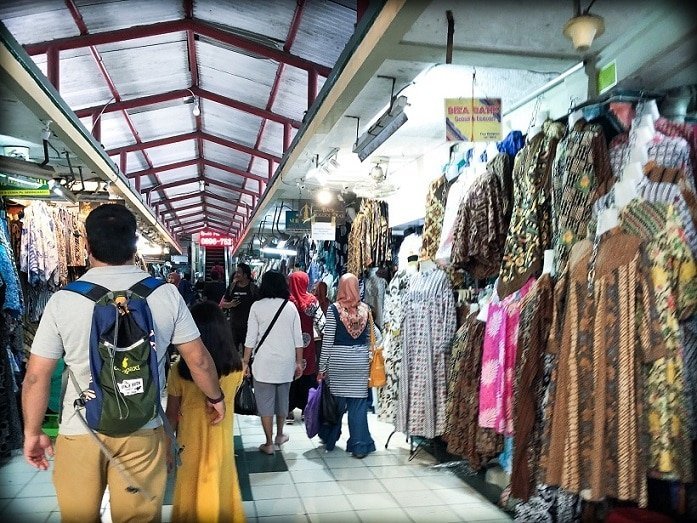
A thoughtful worldschooling travel schedule is not about doing more. It is about doing what matters, at a pace that supports connection, learning, and well-being. When you give yourself permission to slow down, your worldschooling travel schedule becomes something that truly works for your family.
Submit your worldschooling questions here!
Worldschooling Podcast Episode Guide
Flexible Planning for Worldschooling
- Flexibility over rigid itineraries
- Planning with intention, not pressure
- Adjusting plans as needs change
Prioritization and Letting Go
- Defining personal “must-dos”
- Releasing fear of missing out
- Choosing depth over quantity
Balancing Learning and Downtime
- One main activity per day
- Scheduling regular chill days
- Preventing physical and mental burnout
Get prepared for any emergency with the insurance made for digital nomads!
Communication and Family Awareness
- Setting expectations for kids
- Encouraging kids to voice needs
- Responding to energy levels
Activity Variety and Pace
- Mixing physical and intellectual activities
- Avoiding overstimulation
- Considering budget and effort
Slow Travel as a Learning Tool
- Staying longer in one place
- Discovering everyday local experiences
- Creating routine and familiarity
Practical Tools and Strategies
- Visual calendars for planning
- Multi-day passes and return visits
- Using maps to find nearby experiences

Find the perfect place to stay during your worldschooling adventure through Booking!
Chapters
00:00:00 – Introduction
00:01:04 – Today’s Question: Creating a flexible travel schedule with learning & downtime
00:02:10 – Balancing structure, unschooling, and realistic expectations
00:03:20 – Prioritizing must-do activities and avoiding travel burnout
00:04:25 – Managing FOMO and intentionally scheduling downtime
00:05:30 – One main activity per day: slowing the pace on purpose
00:06:40 – Fast travel vs. slow travel and how to rebalance afterward
00:07:55 – Chill days, communication, and listening to family needs
00:09:00 – Choosing varied activities: budget, energy, and learning balance
00:10:45 – Benefits of slow travel, multi-day passes & final thoughts

Further worldschooling resources
- What Life Is Like For A Digital Nomad With Family
- 11 Helpful Tips For Becoming a Worldschooling Family
- 5 Easy Ways to Incorporate Worldschooling Into Your Travels
- 5 Harsh Truths About Long Term Family Travel
Support the podcast
- Join The Wandering Daughter on Patreon for episode transcripts, extra resources, and live office hours with Astrid and Clint.
- Follow and subscribe on Spotify, Apple Podcasts, and YouTube.
- Leave a five-star review to help others discover the podcast.
- Submit your worldschooling questions to our podcast page.

Want to connect with me on social media? Find me on Facebook, Instagram, Pinterest, and Twitter. And for those of you who are dedicated to traveling more responsibly, sustainably, and ethically, join over 500 like-minded families on my Facebook group, Responsible Family Travel.