Episode 23: How Do We Do The Logistics Of Worldschooling?

In this episode of the Worldschooling Q&A podcast, Astrid and Clint tackle an often-asked question from parents planning to take a gap year with kids: How do we do the logistics of worldschooling?
Worldschooling Q&A Podcast - Episode 23
Hosts: Astrid & Clint, creators of The Wandering Daughter
Title: Episode 23: How Do We Do The Logistics Of Worldschooling?
This post may contain affiliate links. That means I may receive a small commission if you click on the link and purchase something. But don't worry, this will not result in any extra costs to you.
Worldschooling Podcast Episode Summary
In this episode of Worldschooling Q&A, Astrid and Clint answer a big-picture question many families wrestle with before taking the leap into long-term travel: how do we handle the logistics of traveling full-time as a family?
Drawing from our four years of full-time worldschooling across 18+ countries, we break logistics down into a simple, manageable framework: before the trip, during the trip, and after the trip. We explain why understanding your “why” is the foundation of every successful worldschooling journey and how involving your kids in that conversation can shape expectations and experiences along the way.
The podcast episode conversation covers key pre-trip considerations like budgeting, choosing a departure date, planning tools, schooling logistics, housing decisions, and downsizing. We also share practical insights from the road, including packing strategies, staying flexible with bookings, managing internet and remote work, and maintaining connections with family back home.
We wrap up by discussing the often-overlooked post-trip phase. This important phase helps us do emotional processing and reflection, and also helps us use lessons learned through travel to guide what comes next for your family.

Worldschooling consultations
Meet with Clint and Astrid for personalized help with your worldschooling plan.
Start with your why before you tackle the logistics of worldschooling
Before going into the logistics of worldschooling, it helps to pause and ask why you want to do this in the first place. Why do you want to worldschool? Your why will shape every practical decision that follows.
Clarify your family’s purpose
When we first considered long term travel, we knew we wanted to leave and see more of the world. But it was not until we clearly defined our why that the full time travel planning began to make sense. Were we seeking family connection, cultural understanding, flexibility, or a reset from our current routines?
Your why will influence your destinations, pace, budget, and expectations. It anchors the logistics of worldschooling in something deeper than plane tickets and packing lists. Without that clarity, it is easy to feel unmoored once you are on the road.
Include your kids in the conversation
The logistics of worldschooling are not just about adults making spreadsheets. This is a family decision. When children understand the purpose behind the journey, they are more likely to feel invested.
Ask your kids what they hope to learn. Is it wildlife, history, language, or food? Their answers can shape your planning. When kids feel included, your travel adventure become something you are building together, not something being done to them.
Breaking down the logistics of worldschooling: pre-trip, during, and post-trip
The logistics of worldschooling can feel overwhelming if you look at them all at once. We have found it helpful to think of it in three phases: pre-trip, during the trip, and post-trip.
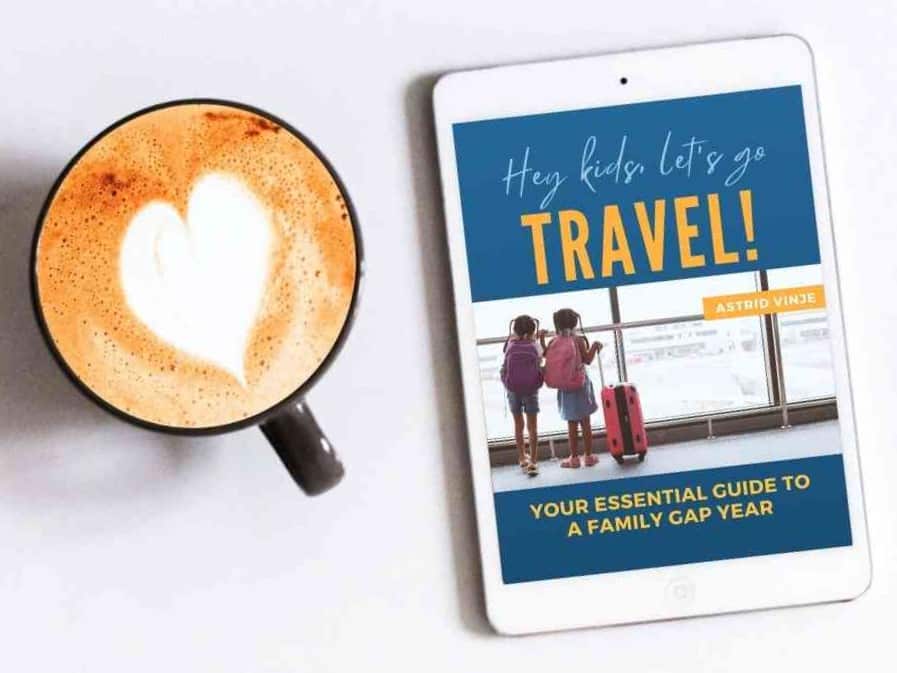
Ready for a change? Take the first step to living a life of full time travel.
Pre-trip planning: dates, budget, and systems
One of the first practical steps in the logistics of worldschooling is choosing a date. Picking a date makes the dream tangible. It determines how much you need to prepare and how quickly you need to act.
If you are planning a few months away, the planning logistics will look different than if you are preparing for a year or more. A gap year requires more thought around finances, housing, and schooling. A shorter season of travel may require less structural change.

Budget is another foundational part of the pre-trip logistics of worldschooling. How will you fund the experience? Remote work, savings, renting out your home, or a mix of all three? Your destinations will also shape your costs, so there is an ongoing relationship between where you go and how you manage your finances.
We found it helpful to treat the planning logistics like a project. Whether you use a digital tool or a simple notebook, write down tasks, timelines, and responsibilities. When plans and logistics are written out clearly, they feel less abstract and more manageable.
During the trip: education planning
If you are traveling with school-aged kids, schooling becomes a core part of the logistics of worldschooling. That does not mean recreating a classroom abroad. It means deciding how learning will happen.
Will you bring textbooks? Use online programs? Lean into experiential learning and local workshops? Travel can be unpredictable, so flexibility is key in the logistics of worldschooling. Flights get delayed. Plans change. Energy levels fluctuate.
Rather than building a rigid curriculum, think about rhythms. What does a typical week look like? When will you focus on math or writing? When will you prioritize museums, markets, and cultural experiences?
When learning is integrated into daily life, the logistics of worldschooling support curiosity rather than stifle it.
Learn more about the amazing family travel resources we use for worldschooling!
Home, stuff, and practical transitions
Housing is one of the biggest components of the logistics of worldschooling. If you rent, your transition may be straightforward. If you own, you will need to decide whether to sell, rent long term, or use short term rentals.
Each choice affects your financial plan and your emotional comfort. The logistics of worldschooling are not only financial. They are deeply personal. Letting go of a home, even temporarily, can feel significant.
Then there is your stuff. Will you store it, sell it, or downsize significantly? Storage costs add up, but replacing everything later can also be expensive. Downsizing can be surprisingly freeing. As we simplified, the logistics of worldschooling became lighter, not just physically but mentally.
The ongoing logistics of worldschooling while you travel
The logistics of worldschooling do not stop once you board the plane. In many ways, they simply shift.
Daily routines and energy management
On the road, the logistics of worldschooling include managing time, energy, and expectations. Slow travel helps. Staying longer in one place reduces constant packing and transportation stress.
You will need to balance work, learning, and exploration. Some days will be full of museums and walking tours. Other days will be for laundry, rest, and quiet reading. Building in downtime is an essential part of the logistics of worldschooling.
Social and emotional considerations
Especially for older kids, friendships and social interaction matter. Part of the logistics of worldschooling is thinking about how your children will build and maintain relationships.
That might mean connecting with other traveling families, joining local classes, or scheduling video calls with friends back home. Emotional well-being is not separate from the logistics of worldschooling. It is woven into it.

Get weekly worldschooling tips sent to your inbox with my Worldschooling Wednesday email series.
Planning for return or transition
Even if you plan to travel long term, most families eventually transition again. The logistics of worldschooling should include thinking about reentry. Will your children return to traditional school? Continue homeschooling? Settle in a new location?
Thinking about post-trip logistics of worldschooling early on can ease the eventual shift. It helps you keep documentation, maintain transcripts if needed, and prepare your children for change.
The logistics of worldschooling may seem complex at first glance. But when you anchor them in your why, break them into phases, and approach them step by step, they become not just manageable, but empowering.
Submit your worldschooling questions here!
Key topics covered in this episode
Defining your “why”
- Clarifying family motivations
- Aligning expectations
- Including kids in decision-making
Structuring the logistics of worldschooling
- Pre-trip, during-trip, post-trip framework
- Picking a departure date
- Creating a planning system
Budget and financial planning
- Funding travel
- Destination impact on costs
- Renting or selling property
Education on the road
- Flexible schooling approaches
- Integrating learning into travel
- Tools and rhythms for consistency

Find the perfect place to stay during your worldschooling adventure through Booking!
Downsizing and housing decisions
- Storage versus selling belongings
- Emotional side of leaving home
- Preparing for eventual return
Chapters
00:00:00 – Introduction
00:00:54 – Today’s Question: How do I handle the logistics of traveling full-time as a family?
00:01:38 – Start with your “why” and include your kids in the decision
00:03:38 – Breaking logistics into pre-trip, during-trip, and post-trip phases
00:04:45 – Pre-trip planning: budget, dates, destinations, and tools
00:07:44 – Education, housing decisions, and downsizing before departure
00:11:35 – During the trip: packing, flexibility, and booking travel
00:13:19 – Staying connected: work, internet, family, and travel days
00:15:15 – Post-trip considerations: reentry, reflection, and emotions
00:18:00 – Resources, office hours, and final thoughts
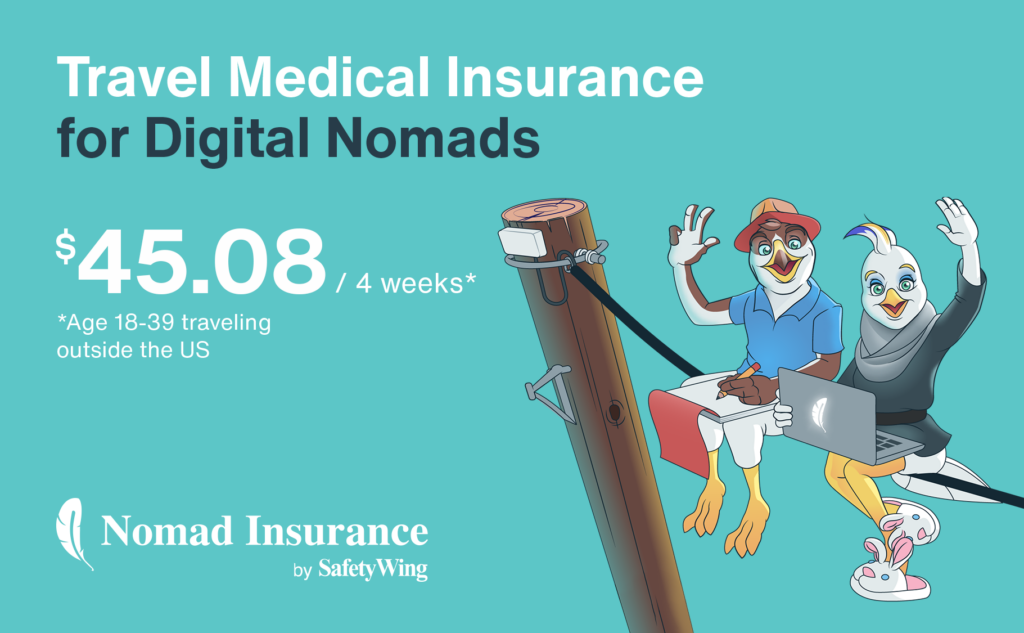
Get prepared for any emergency with the insurance made for digital nomads!
Further worldschooling resources
- 25 Essential Tips For Planning RTW Family Travel
- 10 Steps to Prepping for a Family Gap Year
- What Life Is Like For A Digital Nomad With Family
Support the podcast
- Join The Wandering Daughter on Patreon for episode transcripts, extra resources, and live office hours with Astrid and Clint.
- Follow and subscribe on Spotify, Apple Podcasts, and YouTube.
- Leave a five-star review to help others discover the podcast.
- Submit your worldschooling questions to our podcast page.