Episode 12: How Do I Make Worldschooling Affordable?

In this episode of Worldschooling Q&A, Astrid and Clint answer an important question for families: How can I make worldschooling affordable for my family?
Worldschooling Q&A – Episode 12
Hosts: Astrid & Clint, creators of The Wandering Daughter
Title: Episode 12: How Can I Make Worldschooling Affordable for My Family?
Episode Summary
In this episode of Worldschooling Q&A, Astrid and Clint dive into one of the most important questions families ask when considering long-term travel: how to make worldschooling more affordable. Drawing from our years of full-time traveling family, we share practical, down-to-earth strategies that help keep costs manageable without sacrificing meaningful experiences.
From slowing down your travel pace to using creative lodging options like housesitting or home exchange, this episode is full of tips families can use right away. We also talk about food budgeting, using public transit, avoiding tourist-price zones, and how values-based budgeting helps you define what “affordable” truly means for your family.
Whether you're preparing for a short adventure or dreaming about full-time travel, this conversation will give you the clarity and confidence to make worldschooling fit your family’s budget.
Slow and deep travel strategies
When families want to make worldschooling affordable, slowing down often becomes the first meaningful shift. This approach keep costs lower while creating more space for learning and connection.
Choosing slow travel as a core approach
One of the simplest ways to make worldschooling affordable is slowing your pace. As we share in the episode, staying in one place for several weeks or a full month cuts down on transportation expenses and reduces the pressure to rush from city to city .
We’ve learned that longer stays help us settle into a rhythm that supports learning, rest, and curiosity without overextending our budget.
Staying in one region to reduce transportation costs
Deep travel can also make worldschooling affordable. Instead of hopping between countries, spending an extended stretch in a single region reduces airfare and long-distance transit costs.
When we spent three months in the Andalucia region of southern Spain, we used one apartment as our home base and took weekend trips to nearby towns. This helped us explore in a more thoughtful way while keeping our daily expenses manageable.
Ready for a change? Take the first step to living a life of full time travel.
Learning a place well enough to spot budget-friendly choices
Spending more time in a location helps families understand where everyday costs are highest. This awareness can make worldschooling affordable, whether you’re avoiding tourist-priced cafés or finding local grocery stores that fit your budget. Stepping even half a block away from popular sights can make a noticeable difference in meal prices.
Creative lodging options
Housing is often the most significant expense, so using flexible strategies can help make worldschooling affordable without sacrificing comfort or connection.
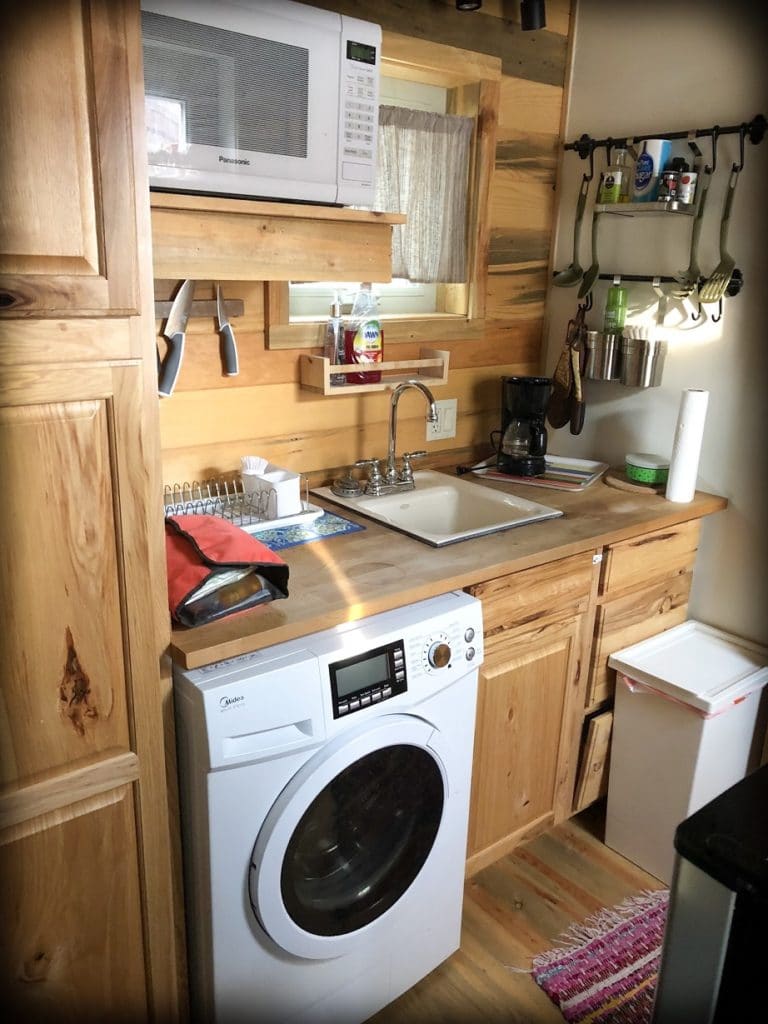
Using monthly rentals and negotiating longer-stay discounts
Most hosts offer discounts for longer stays, and you can often ask for an additional reduction when booking a month or more. This simple step can make worldschooling affordable while giving your family a more comfortable space to rest, learn, and cook meals together.
We’ve reached out to hosts directly and found that many are open to making a long-stay arrangement that works for both sides. For example, we did while we were in Mexico and it helped us cut down on our monthly costs in Mexico.
Incorporating housesitting and home exchange
Sharing-economy options like housesitting and home exchange can dramatically make worldschooling affordable. Housesitting has allowed us to stay in homes across the United States, France, and the UK while caring for pets and walking through neighborhoods that feel like home. In the episode we also talk about how being in someone’s actual home gives kids a sense of belonging during travel.
Home exchange works similarly and can make worldschooling affordable if your family has a home base to offer. Points-based exchanges allow families to stay in new destinations without paying for accommodations at all. (Try out Home Exchange by using my referral code, astrid-3760, and get 250 guest points!)
Using hostels, camping platforms, and other flexible stays
When deeper travel or slow travel isn’t possible, hostels and camping services can help make worldschooling affordable for shorter transitions. Hostels now offer private family rooms in many cities, making them a much less expensive alternative to hotels for parents traveling with kids.
Camping platforms, including listings on private land, can also provide meaningful nature-based stays at a lower cost. We love using Hipcamp in the US to find camping sites.
Everyday money-saving travel habits
Small daily choices can add up to make worldschooling affordable, especially for families staying abroad for weeks or months at a time. These habits keep travel educational, joyful, and grounded.

Cooking at home and shopping local
Balancing dining out with home-cooked meals is one of the most reliable ways to make worldschooling affordable. In places like Mexico or Southeast Asia, we’ve enjoyed inexpensive meals out while still grounding our days with groceries from local markets. Markets often offer fresh produce and regional foods at lower prices, which supports local farmers and helps kids engage with everyday life in a new place.
Using public transportation and learning key phrases
Public transportation helps families make worldschooling affordable while also immersing kids in local routines. Many large cities have systems that are easy to navigate, and learning just two local phrases—how much is it, and stop—helps build confidence. These moments naturally turn into language lessons and discussions about daily life for people in that city.
Avoiding tourist-heavy areas and taking advantage of memberships
Venturing beyond tourist centers can immediately make worldschooling affordable, especially when it comes to meals or souvenirs. As we mentioned in the transcript, even a short walk away from major attractions can reveal family-run cafés or shops with more reasonable prices.
Museum memberships, especially reciprocal ones, can also make worldschooling affordable. A single membership at your home museum often provides access to partner museums around the country. This is especially helpful for families who prioritize cultural learning during their travels and want to stretch their budgets responsibly.

Find the perfect place to stay during your worldschooling adventure through Booking!
Using travel points mindfully
Travel reward points can also make worldschooling affordable when used intentionally. From discounted flights to hotel stays during fast-travel periods, points can fill in the gaps between longer slow-travel stays. As we shared in the transcript, using guidance from travel-hacking experts can help families understand how to use these systems responsibly and avoid unnecessary expenses.
Staying True to Your Family Values
Finally, remembering your core values can continue to make worldschooling affordable in a meaningful way. Each family prioritizes different things, whether that means a kitchen to cook in, a place for work, access to outdoor play, or activities that deepen learning. Being honest about these values helps families build budgets that reflect what truly matters to them, rather than comparing their trips to others. This clarity can support both financial decisions and a more intentional worldschooling journey.
Submit your worldschooling questions here!
Episode guide
Slow Travel and Deep Travel
- Stay longer in one place
- Reduce airfare by limiting city-to-city moves
- Build a home base for weekend trips
- Understand local pricing by spending more time in a destination
Lodging Strategies
- Ask for monthly or long-stay Airbnb discounts
- Consider housesitting for free lodging
- Use home exchange for points-based stays
- Explore family-friendly hostels
- Try camping platforms like HipCamp

Creative Alternatives to Traditional Stays
- Housesitting often includes caring for pets
- Home exchanges help offset costs in expensive cities
- Couchsurfing as an option for some families
Food and Daily Expenses
- Cook at home to balance dining out
- Shop at local markets for affordable, fresh food
- Learn local grocery systems in each region
Transportation Choices
- Use public transportation in big cities
- Learn key phrases like how much and stop
- Research transport options through YouTube or blogs
Avoiding Tourist Pricing
- Step outside tourist zones for meals
- Notice price changes just a block away from major attractions
Museum and Activity Savings
- Use reciprocal museum memberships
- Apply home memberships to museums in other cities

Get weekly worldschooling tips sent to your inbox with my Worldschooling Wednesday email series.
Travel Points and Mileage Rewards
- Use credit card points for flights and hotels
- Seek expert resources for travel hacking
Defining Affordability Through Family Values
- Budget according to what your family prioritizes
- Decide which comforts or experiences are worth spending more on
Chapters
00:00 - Introduction
01:04 - Today’s Question: How can I make worldschooling affordable for my family?
01:15 - Slow Travel as a Money-Saving Strategy
02:20 - Deep Travel and Reducing Airfare Costs
03:30 - Creative Lodging: Housesitting and Home Exchange
06:28 - Alternative Stays: Hostels, Hipcamp, and Couchsurfing
08:00 - Saving on Food: Markets, Groceries, and Eating Local
09:16 - Transportation Savings: Public Transit and Local Tips
10:05 - Budget Tips: Libraries, Avoiding Tourist Zones, Museum Passes, Points & Miles
13:36 - Defining Affordability Around Family Values
Get prepared for any emergency with the insurance made for digital nomads!
Further worldschooling resources
- Affordable World Travel With Kids: 7 Useful Family Travel Budget Tips
- House Sitting With Kids: 15 Essential House Sitting Tips
- 6 Useful Sharing Economy Travel Tips for Families
- How To Use The Hipcamp App For Awesome Camping Options
- 6 Genius Ways We Save Money on US Family Travel
Support the podcast
- Join The Wandering Daughter on Patreon for episode transcripts, extra resources, and live office hours with Astrid and Clint.
- Follow and subscribe on Spotify, Apple Podcasts, and YouTube.
- Leave a five-star review to help others discover the podcast.
- Submit your worldschooling questions to our podcast page.