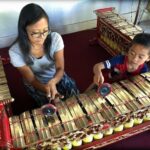
Episode 33: How Do We Do Worldschooling in Bali?

In this episode of Worldschooing Q&A, we visit one of our favorite islands to share our experiences worldschooling in Bali.
Worldschooling Q&A Podcast - Episode 33
Hosts: Astrid & Clint, creators of The Wandering Daughter
Title: Episode 33: How Do We Do Worldschooling In Bali?
This post may contain affiliate links. That means I may receive a small commission if you click on the link and purchase something. But don't worry, this will not result in any extra costs to you.
Worldschooling podcast episode summary
Worldschooling in Bali is a topic that comes up often among worldschooling families. And in this episode of our family learning podcast, we break down what it actually takes to experience the island thoughtfully.
From navigating the notoriously bad traffic between Changu and Ubud to understanding Bali's unique Hindu culture and the Tri Hita Karana philosophy that shapes daily Balinese life, this episode helps families move beyond surface-level tourism and into a deeper experience of the island. We also share honest observations about overtourism, the gentrification of neighborhoods like Ubud, and how to engage with local economies and communities in a responsible way.
The episode tours Bali region by region, from the quiet northern village of Amed with its WWII shipwreck snorkeling and black sand beaches, to the cultural richness of Ubud's temples and family compound homestays, to the beaches and surf towns of the south.

Worldschooling consultations
Meet with Clint and Astrid for personalized help with your worldschooling plan.
For families committed to learning while traveling, practical tips cover food, budgeting, scooter logistics, and standout experiences like the Kecak fire dance, Trash Hero beach cleanups, and a coral conservation escape room near Sanur.
Our favorite places to stay for worldschooling in Bali
We love worldschooling in Bali, and have stayed in many beautiful places around the island. Here’s a quick list of favorite family hotels in Bali for families planning to travel to Bali.
- Legian Beach Hotel (Kuta)
- Suparsa's Homestay (Ubud)
- Arma Museum and Resort (Ubud)
- Villa Adi (Amed)
- Bloo Lagoon Eco Village (Padang Bai)
What every family should know before worldschooling in Bali
Before we dive into the highlights, there are a few things worth understanding about Bali as a destination. Worldschooling in Bali is a rich experience, but going in with realistic expectations makes all the difference. From logistics to cultural etiquette, a little preparation goes a long way.
Getting there and getting around
Bali is a small island, roughly comparable in size to the state of Delaware, but don't let that fool you. The main international airport is in Denpasar in the south, and a newer, smaller airport serves the northern part of the island near Amed.

Get ready for your trip to Indonesia with my FREE 25 Essential Indonesian Words and Phrases!
Traffic is a real consideration when planning your time here. The 20-kilometer stretch between Denpasar and Canggu can take multiple hours by car depending on the time of day. Renting scooters in Bali are our preferred way to get around, and we love them, but you should have your motorcycle endorsement before renting one. Bali has started cracking down on renters without the proper certification, and it is genuinely safer for everyone on the road.
Cultural respect and responsible travel
One of the things we feel strongly about when it comes to worldschooling in Bali is approaching the island with real cultural respect. Bali is not a party destination, even though it is often treated as one.
Before you visit, take some time to learn about Balinese etiquette. Dress modestly when visiting temples in Bali, be mindful of offerings you see on the ground, and resist the urge to treat the island as a backdrop for content creation.
We have seen firsthand how overtourism affects local communities, pricing locals out of their own neighborhoods and straining roads and infrastructure that were never built for this kind of volume. Traveling thoughtfully here is not optional. It is part of what makes worldschooling in Bali meaningful.
Worldschooling in Bali: the northern and central highlights
Some of our favorite worldschooling in Bali moments have happened away from the tourist-heavy south. The north and center of the island offer quieter, deeper experiences that are well worth the travel time.
Amed: diving, snorkeling, and a WWII shipwreck
Amed is a small, spread-out coastal village on the northern side of Bali, and it is one of our favorite spots on the island. It is a place where learning while traveling feels effortless.

Find the perfect place to stay during your worldschooling adventure through Booking!
This area is known for its excellent scuba diving and snorkeling. One of our favorite places for snorkeling in Amed is a Japanese WWII shipwreck that now serves as a coral habitat. You can snorkel the shallower side of the wreck or scuba the deeper drop-off, and it is genuinely incredible for kids and adults alike.
Amed is also more rural and cash-based than the south, with fewer ATMs and no public transportation, so come prepared. The trade-off is a much slower, more authentic pace of life.
Ubud: Balinese Hinduism, rice fields, and the Tri Hita Karana philosophy
Ubud is where worldschooling in Bali really comes alive culturally. Balinese culture is so rich and amzing! Unlike the rest of Indonesia, Bali is Hindu, and that shapes everything about daily life here.
We spent a lot of time talking about the Tri Hita Karana, a three-part Balinese philosophy of connection with self, with nature, and with the divine. You see it everywhere: in the daily offerings left at ground level, mid-height, and elevated shrines, in the ancient Subak irrigation system that channels water from mountain temples to rice fields below, and in the ceremonies that mark the rhythms of the year. We visited the Gates of Heaven at Pura Lempuyang and joined in on a temple prayer, which was one of the most memorable moments of our worldschooling journey.
If you visit Ubud, consider staying at a homestay inside a family compound. We stayed at Suparsa's Homestay, and also an Airbnb on the outskirts of town, and loved riding scooters through rice paddies to get there each evening.
Worldschooling in Bali: southern highlights and responsible choices
The southern part of Bali gets the most visitors, and for good reason. There is a lot to do and see here. But worldschooling families can make more of it by choosing experiences that go a little deeper.
Beaches, surfing, and managing the crowds
The southern coast, including Kuta, Canggu, Jimbaran, and Sanur, is where most of the beaches, surf schools, resorts, and nightlife are concentrated. For families interested in learning while traveling, Canggu and Kuta offer surf lessons, great coffee shops, and a lively local scene, though they are busy and can feel overwhelming.
Ready for a change? Take the first step to living a life of full time travel.
Sanur is a bit calmer and is also home to a coral research center with a hands-on, kid-friendly escape room focused on reef conservation, which we highly recommend. Padang Bai, further east, is the jump-off point for ferries to Lombok and has some good snorkeling nearby, along with a coral restoration project you can learn about.
Culture, art, and the Kecak fire dance
Bali has a strong artistic tradition rooted in its Hindu heritage. In Ubud, you can find wood carvings, masks, gamelan music, shadow puppets, and traditional dance, all distinct from Javanese versions.
One of the most memorable cultural experiences for our family was watching the Kecak fire dance at a clifftop temple on the western side of the island. Performed at dusk around an open fire, the dance involves a circle of men making percussive chants while enacting a story from Hindu mythology. At some point during the performance, some of the dancers enter a trance-like state. It is unlike anything we had seen before and is one of those moments that makes worldschooling in Bali so worthwhile.
Supporting local and traveling responsibly
We feel strongly that visiting Bali well means supporting the people who live there. One way we did this was through Trash Hero, an international organization that runs beach and community cleanup programs. We participated in a cleanup during our last visit, and it was a meaningful, low-key experience that felt aligned with our values as a worldschooling family.
Learn more about the amazing family travel resources we use for worldschooling!
We also recommend seeking out local tour operators like Bali Adventures, whose Ubud highlights tour can include a visit to a traditional Balinese family compound. These kinds of experiences put money directly into local hands and offer a window into Balinese life that no resort package can replicate.
Submit your worldschooling questions here!
Key topics covered in this episode
Getting to and around Bali
- One main international airport in Denpasar; newer smaller airport near Amed in the north
- Traffic between southern towns can be severe, even over short distances
- Scooters are practical but require a motorcycle endorsement
- Cash-based economy, especially outside main tourist areas
Approaching Bali with cultural respect
- Bali is Hindu, not Buddhist, with a unique animist-influenced flavor of Hinduism
- Tri Hita Karana philosophy shapes daily Balinese life and offerings
- Overtourism has caused real harm to local communities and infrastructure
- Learning Balinese etiquette before visiting makes the experience richer and more respectful

Get weekly worldschooling tips sent to your inbox with my Worldschooling Wednesday email series.
Northern Bali: Amed
- Small coastal village ideal for diving and snorkeling
- WWII Japanese shipwreck is a standout worldschooling in Bali experience
- More rural and cash-dependent than the south
- Quieter pace, black sand beaches, good for families seeking an off-the-beaten-path stay
Central Bali: Ubud
- Cultural hub for temples, offerings, gamelan music, and traditional dance
- Subak irrigation system connects rice farming to ancient water temples
- Family compound homestays like Suparsa's offer authentic, locally owned accommodation
- Bali Adventures offers guided tours that include traditional Balinese home visits
Southern Bali: beaches and cultural experiences
- Kuta and Changu for surf lessons, beaches, and coffee culture
- Sanur's coral research center features a kid-friendly reef conservation escape room
- Kecak fire dance at dusk is a powerful cultural experience for all ages
- Trash Hero beach cleanups offer a meaningful form of responsible, community-based tourism

Get prepared for any emergency with the insurance made for digital nomads!
Food and budget considerations
- Bali is more expensive than the rest of Indonesia, expect to roughly double or triple your daily budget
- Unique food options compared to the rest of Indonesia, including pork, vegetarian and vegan restaurants, and fresh seafood
- Bali is working to reduce single-use plastics, bamboo and metal straws are common in restaurants
- Water is not potable from the tap; look for refill stations to avoid buying single-use plastic bottles
Chapters
00:00:00 – Introduction
00:00:21 – Worldschooling Q&A intro sequence
00:01:07 – Today's Question: How do I worldschool in Bali?
00:01:13 – Bali basics: geography, airports, and traffic realities
00:02:43 – ↩ Source of Intro Clip: Comparing Bali's size to Delaware
00:07:31 – Responsible travel in Bali: culture, overtourism, and tourist behavior
00:09:26 – Getting around: scooters, religion, and food logistics
00:18:24 – Key highlight: Amed, diving, and the WWII shipwreck
00:21:33 – Key highlight: Ubud, Balinese Hinduism, and Tri Hita Karana
00:26:34 – Homestays, local family compounds, and supporting local businesses
00:29:34 – The challenges of Ubud: gentrification, crowds, and yoga retreats
00:34:54 – Southern Bali: beaches, coral conservation, Kecak dance, and bars
00:43:45 – Outro and closing CTA
Further worldschooling resources
- Ultimate 10 Day Bali Itinerary With Kids: The Best Family Trip To Bali
- 15 Best Hotels in Bali For Families: A Guide To Family Hotels In Bali
- 6 Amazing Bali Cultural Experiences You Must Do
- 15 Best Activities In Ubud For Kids: Guide To Ubud With Kids
- 6 Reasons Why Amed Bali Is Perfect For Snorkeling
- 7 Dos and Don'ts For A Memorable Pura Lempuyang Bali Temple Visit
- 4 Reasons To Love The Bali Hot Springs At Toya Devasya
- Scooter Rental In Bali Guide: What Families Need To Know
- 11 Essential Bali Facts You Didn’t Know
- Bloo Lagoon Eco Village: 5 Reasons Families Will Love This Amazing Bali Eco Stay
- 8 Useful Tips for Visiting a Bali Night Market With Kids